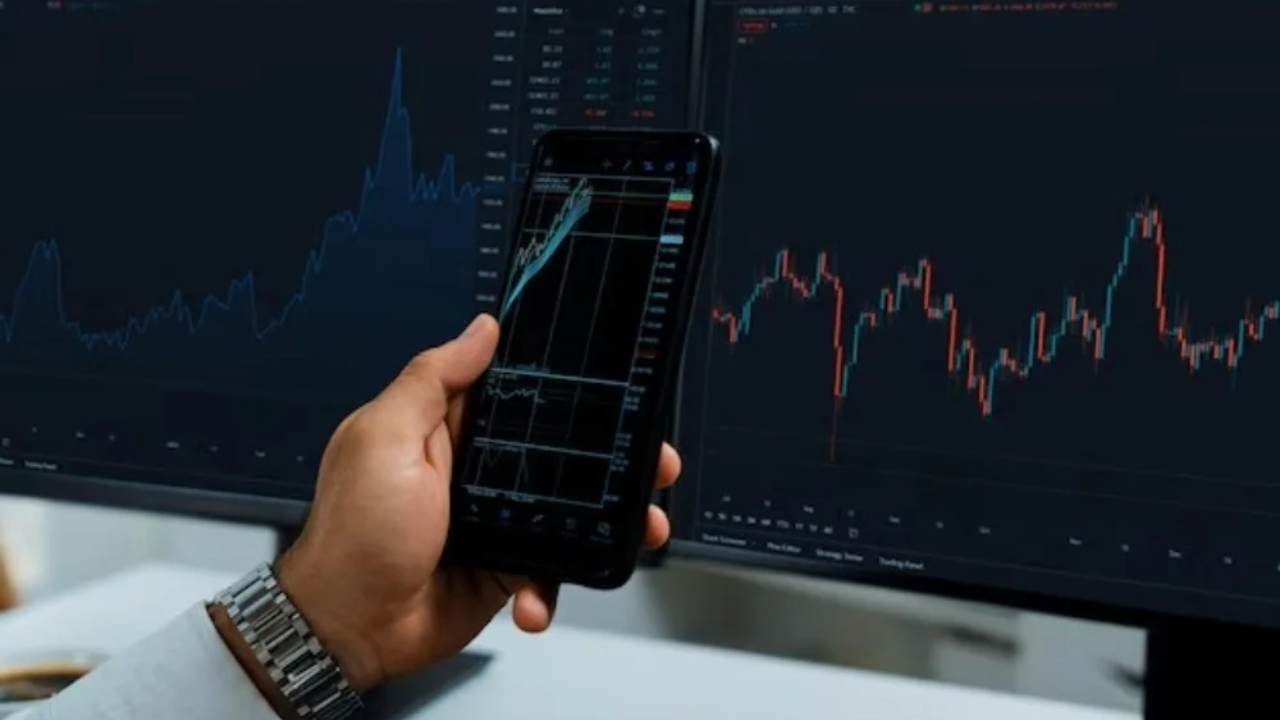
Technology is playing a defining role in the future of forex brokerage. What was once an industry built mainly around access to the markets has evolved into a far more sophisticated environment where speed, efficiency, user experience, and infrastructure all matter. Today, traders expect more than a functional platform. They expect a seamless experience that combines performance, convenience, and reliability. At the same time, brokers are under growing pressure to innovate, improve operations, and meet higher standards across every part of the client journey. This is why technology is now reshaping the forex brokerage industry in a meaningful way.
One of the biggest changes technology has brought to forex brokerage is the improvement in trading infrastructure. Modern brokers are investing more in faster systems, better server performance, stronger liquidity connections, and platform stability. This has raised the overall standard of execution and helped create trading environments that are more responsive and efficient. For traders, this means a smoother experience and greater confidence in the broker’s ability to perform under real market conditions. In a fast-moving market, the strength of a broker’s technology can have a direct impact on the quality of the trading experience.
Technology is also changing how traders interact with brokers. The client experience is no longer limited to opening an account and accessing a platform. It now includes digital onboarding, faster verification processes, mobile-friendly interfaces, integrated funding options, real-time reporting, and easier access to support. Traders expect convenience at every stage, and brokerages are increasingly using technology to make the process more efficient and user-focused. A modern forex brokerage is not only judged by the platform it offers, but by the overall simplicity and quality of the experience surrounding it.
Another important shift is the growing role of platform integrations and advanced trading tools. Traders are looking for more flexibility in how they analyze markets and manage their trading activity. Better charting, improved analytics, multi-platform access, and connected tools are becoming more important across the industry. This reflects a broader change in expectations. Traders want technology that supports better decision-making, easier access to information, and a more complete trading environment. As a result, brokers that invest in these areas are in a stronger position to attract and retain clients.
Technology is also reshaping how brokers manage internal operations and partnerships. From reporting systems and CRM tools to affiliate tracking and partner support, digital infrastructure has become essential for growth. Stronger systems allow brokerages to operate more efficiently, communicate more clearly, and support clients and partners more effectively. In a competitive market, operational technology is just as important as trading technology because it helps improve consistency, transparency, and service quality across the business.
The rise of mobile usage has added another layer to this transformation. Modern traders expect to monitor markets, manage positions, and stay connected from anywhere. This has made mobile optimization a major priority for the industry. Brokers can no longer treat mobile access as a secondary feature. It has become a central part of the trading experience. A brokerage that cannot deliver speed, usability, and reliability across devices risks falling behind in a market where convenience matters more than ever.
At the same time, technology is helping raise the standard for transparency and communication. Better reporting tools, improved dashboards, clearer account visibility, and more accessible market information all contribute to a stronger client experience. Traders increasingly want to understand more about the services they use, and technology makes it easier for brokers to present information in a clearer and more useful way. This not only improves usability but also supports trust, which remains one of the most important factors in long-term client relationships.
Looking ahead, technology will continue to shape the direction of forex brokerage. The firms that succeed will be those that invest not only in speed and innovation, but also in practical improvements that make the trading experience easier, stronger, and more reliable. Traders are becoming more selective, and the brokerages that stand out will be those that combine advanced systems with simplicity, consistency, and a clear focus on client needs.
Technology in forex brokerage is no longer just about staying current. It is about creating better trading environments, better services, and stronger long-term relationships. As the industry continues to evolve, technology will remain one of the most important forces driving its transformation.