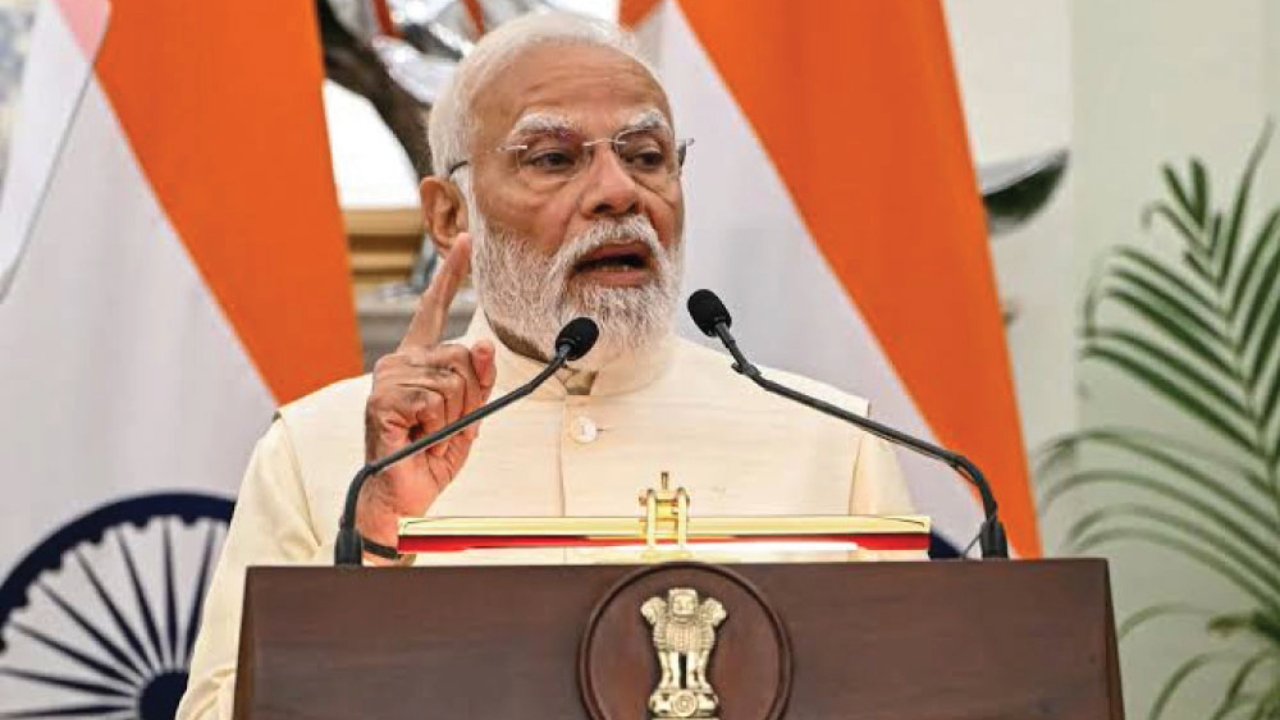
Prime Minister Narendra Modi has dropped a cultural bombshell: for the next year, Indians should skip buying gold jewelry, even for weddings, functions, or festivals. This comes amid the fallout from the Iran conflict, surging oil prices, and pressure on India’s foreign exchange reserves.
It’s like asking an Indian mother to stop making extra rotis “just this once.” Gold isn’t just an asset here, it’s woven into our DNA.
What Does This Mean?
Modi’s appeal is a patriotic call to conserve foreign currency. India imported a record ~$72 billion worth of gold in FY26, up sharply due to high global prices. Almost all of it is imported, draining dollars at a time when expensive crude oil imports are already straining the current account and the rupee.
The goal?
Reduce non-essential dollar outflows for at least a year. Modi paired this with calls to cut fuel use, work from home more, and skip unnecessary foreign travel. It’s voluntary patriotism, not a ban — but the message is clear: help protect the nation’s reserves during global turbulence.
Indians’ Eternal Love for Gold
Gold is more than jewelry in India — it’s security, status, tradition, and investment rolled into one. We are the world’s second-largest gold consumer after China. Demand spikes during weddings (10-12 million annually), festivals like Akshaya Tritiya and Dhanteras, and as a hedge against inflation and uncertainty.
Families buy it for brides, investments, and rituals. It’s physical wealth you can pass down generations. Convincing 1.4 billion people to pause that habit — even temporarily — is an uphill task. Many analysts expect the impact to be more psychological than total, with demand shifting toward lighter pieces, digital gold, or ETFs rather than vanishing.
Immediate Impact on Indian Stocks
Markets reacted instantly. Jewelry stocks took a beating on fears of slowed demand:
- Titan (Tanishq) dropped sharply (around 6-8%)
- Kalyan Jewellers and Senco Gold fell 9-12% intraday
- Other players like Sky Gold also slid significantly
Investors worried about wedding season sales and potential higher import duties if voluntary compliance falls short.
Broader indices were mixed, but the jewelry and retail sectors clearly felt the pinch. Gold-related importers and bullion traders also watched nervously.
Will This Shift Global or Indian Gold Prices?
Short-term: Gold prices stuttered and wavered after the announcement, as India’s massive demand (a key driver) faces potential softening.
Longer-term outlook: Don’t bet against gold rising.
- Global factors dominate — geopolitical risks, central bank buying, inflation hedges, and USD dynamics.
- India is a price taker, not maker. Even with reduced local buying, strong international demand (especially from China and investors) supports prices.
- Domestic prices (already at record highs around ₹1,47,000+/10g levels recently) could see some softening if imports drop 30-40%, but analysts see the uptrend intact due to broader macro forces.
Gold remains a strong hedge. If anything, Modi’s call highlights why it’s valuable — and why conserving forex matters when buying it costs so much in dollars.
The Bigger Picture for Investors
This isn’t the end of India’s gold story — it’s a temporary patriotic pause during energy and geopolitical stress. Smart investors might look at:
- Diversified exposure (gold ETFs, sovereign gold bonds — which don’t involve physical imports)
- Opportunities in jewelry stocks if they oversell (long-term demand resilience is high)
- Broader rupee defense and economic resilience plays
At BlackBull, we believe in understanding these cultural + macro intersections. Gold’s shine isn’t fading — but timing and form (physical vs. financial) matter more than ever.
What are your thoughts? Will Indians heed the call, or will “just one more necklace” win out? Drop your views below — let’s discuss how this plays out for markets, savings, and sentiment.
Anish at BlackBull
#Gold #IndiaEconomy #Modi #Investing #Forex #JewelryStocks