
Why New Zealand is Losing So Many Talented Kiwis to Australia — And What We Can Do About It?

Over the last week, I spent time in Sydney and Melbourne on business. Walking through the CBDs, grabbing coffees, and chatting with locals, one thing hit me repeatedly: the number of Kiwis everywhere. Familiar accents in meetings, at networking events, in offices, and even in casual conversations. It’s not just a few — it’s noticeable. And the data backs it up. Australia is home to over 600,000 New Zealand-born people, with large communities in Sydney and Melbourne. In recent years, tens of thousands of Kiwis have crossed the Tasman, with net migration losses to Australia remaining significant (around 28,000–30,000 NZ citizens in some recent 12-month periods). This is the classic brain drain challenge facing New Zealand. The Lure of Bigger Opportunities Why do so many leave? It’s rarely just about the money (though Australian salaries in many sectors are 20-30% higher on average). It’s the scale: Larger cities with more dynamic industries Bigger companies and more senior roles Greater access to capital, clients, and career progression Vibrant professional networks and lifestyle perks of major metros Many talented engineers, tech professionals, creatives, and specialists in their 20s–40s see Australia as the place where they can level up faster. We lose not just numbers, but often our high-potential, skilled talent — the very people who could help drive innovation and growth back home. Recent Stats NZ figures show that while overall net migration has fluctuated, the outflow of NZ citizens remains a real feature of our migration patterns, with Australia as the top destination for the majority of those departures. Young and mid-career professionals are disproportionately represented. Building Industry Capability Here in NZ At BlackBull, we’re deeply committed to growing the ecosystem right here in New Zealand. One of the initiatives I’m most excited about is our collaboration with the University of Auckland (UoA).We’re working together to help bridge the gap between academia and industry — supporting talent development, practical skills, and pathways that keep high-calibre people engaged and building their careers in NZ. Whether it’s through industry projects, knowledge exchange, or creating real-world opportunities in tech and related fields, the goal is clear: strengthen local capability so New Zealand becomes a place where ambitious Kiwis want to stay and thrive. Universities like UoA are producing excellent graduates. The challenge is creating enough high-impact, scaled opportunities domestically so they don’t feel they have to leave to realise their potential. It’s Not All Doom and Gloom — But Action Is Needed The good news? Brain drain isn’t irreversible. Many Kiwis overseas stay connected to home and some do return when conditions align (family, lifestyle, or new opportunities). New Zealand still offers incredible quality of life, innovation in niches like deep tech and agritech, and a collaborative culture that bigger markets sometimes lack.But we can’t be complacent. To stem the flow and reverse parts of it, we need: More ambitious industry-university partnerships (like the one we’re building with UoA) Greater investment in scaling local companies and creating senior roles Policies and incentives that support high-value sectors and talent retention A collective mindset that “building here” can be as exciting as heading across the ditch If we get this right, we can turn the brain drain conversation into one about brain gain and brain circulation — where Kiwis contribute globally but see New Zealand as a strong base. I’d love to hear your thoughts. Have you or someone you know made the move to Australia? What would it take to bring more talent back or keep it here? Are there successful examples of companies or initiatives successfully retaining or attracting Kiwis?Let’s discuss in the comments — and if you’re working in tech, engineering, or related fields and passionate about building New Zealand’s industry capability, feel free to reach out. #NewZealand #BrainDrain #TalentRetention #Australia #UniversityOfAuckland #KiwiTalent #EconomicGrowth #BlackBull
What are Perps? Explained by a 5-year old who likes cars!

🚀 Ever wondered how traders bet on Bitcoin or gold prices going up or down… forever? Let me explain Perpetual Futures (and how everyday brokers make it easy) in simple terms. Imagine you’re 5 years old and you have a magic toy car. You don’t actually own the real car. Instead, you play a game guessing whether its price will go up or down. With perpetual futures (also called “perps”), you can keep playing that game as long as you want, there’s no “game over” date. You put down a little of your own money (margin) to control a much bigger position thanks to leverage. If you guess right, you win money. If you’re wrong, you can lose fast. To keep the game fair and the guessed price close to the real toy car’s price, players sometimes share a tiny bit of “candy” (called the funding rate) every few hours, longs pay shorts or vice versa. It’s exciting… but risky, like racing on roller skates. You can win big or fall hard.How CFD Brokers Offer Something Very Similar. Many traditional CFD brokers don’t use the exact crypto-style perpetual futures with funding rates between traders. Instead, they offer perpetual-style CFDs (Contracts for Difference) that work almost the same way :- No expiration date → hold your position for days, weeks, or months. – You speculate on price moves (up or down) without ever owning the real asset (Bitcoin, forex pairs, gold, stocks, etc.). – Leverage lets you control a large position with small capital. – Instead of a peer-to-peer funding rate, the broker usually charges a small daily overnight/swap fee (like a rental cost for the leverage).You’re essentially playing the guessing game directly with the broker as your counterparty. Popular CFD brokers offering these kinds of never-ending contracts on crypto, forex, and more brokers. Key takeaway: True perpetual futures are usually traded on big crypto exchanges (peer-to-peer with funding rates). CFD versions from brokers are simpler, more accessible in many countries, and mirror the spot price directly with daily fees. Both tools let traders get leveraged exposure without owning the asset and without worrying about contract rollover. ⚠️ Important reminder: These are high-risk instruments. Leverage can amplify losses as well as gains, and you can lose more than your initial deposit. Always trade responsibly, use risk management, and only risk what you can afford to lose. What’s your experience with perpetuals or CFDs? Are you using them for crypto, forex, or something else? Drop a comment below, I’d love to hear!
Empowering the Next Generation of Traders: 2026 Competition Launch Highlights
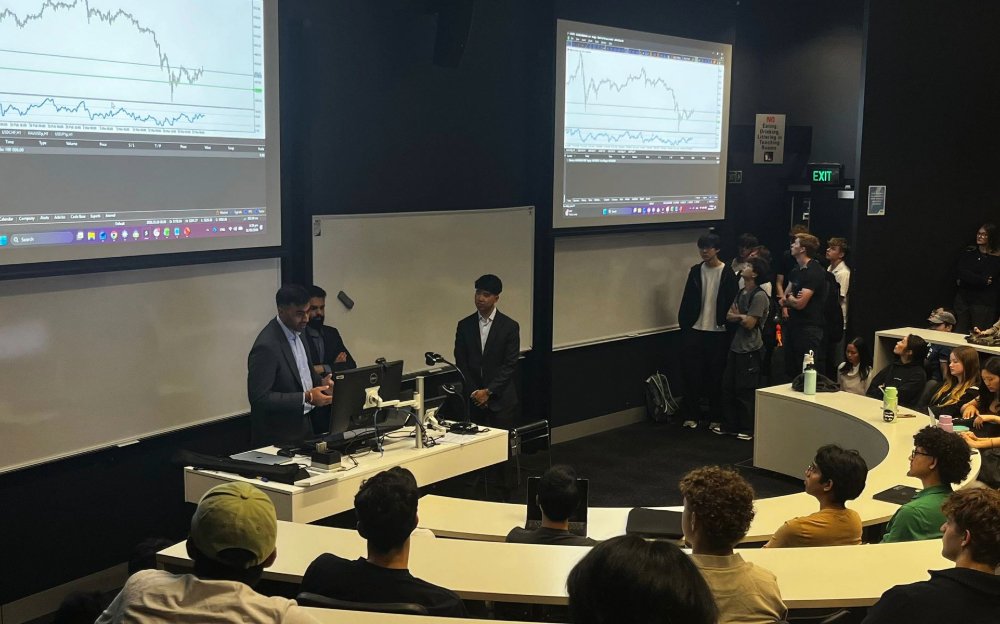
🚀 Excited to share that yesterday we ran an impactful workshop with the University of Auckland Investment Club for over 100 enthusiastic students! We officially launched our 2026 Trading & Investing Competition in partnership with the club — and the response has been incredible: over 300 sign-ups already! 🎉 This is a new record for us. Over the past 6 years of running this competition, we’ve seen a clear trend: students are becoming increasingly active and engaged with trading and investing. These workshops are about more than just charts and strategies. The key takeaways we emphasized were: ✅ Risk Management — Protecting capital is priority number one ✅ Building a solid Trading Plan — Discipline over emotion ✅ Emotion Management — Staying calm during market volatility ✅ Long-term Strategy — Thinking beyond short-term gains for sustainable success. It was fantastic to see so many sharp, motivated young minds in the room, asking great questions and showing real hunger to learn. A huge thank you to the University of Auckland Investment Club for the collaboration and to everyone who attended and signed up. The energy in the room was outstanding! If you’re a University of Auckland student and haven’t signed up yet — there’s still time! The competition is going to be bigger and better than ever in 2026. Who else is excited to see the next generation of investors and traders rising up? 👇
How BlackBull Markets Transformed Client Support with Voiso: From Manual Monitoring to AI-Powered Intelligence
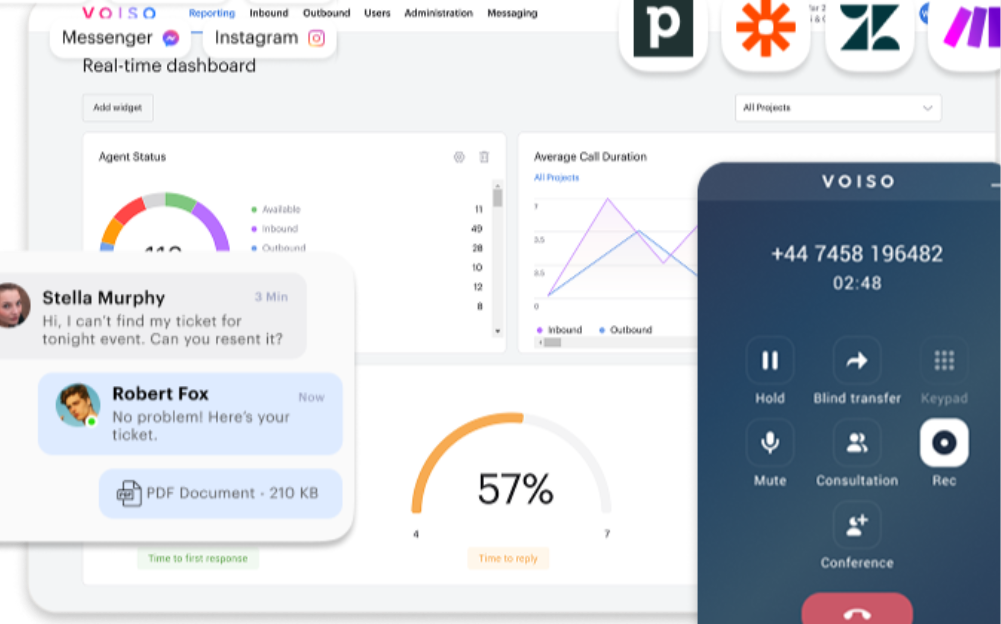
At BlackBull Markets, delivering exceptional client support isn’t just a goal — it’s core to how we build trust in the fast-moving world of online trading. Our clients expect quick, accurate, and empathetic responses whether they’re asking about platform features, execution speeds, funding, or trading strategies. A few years ago, ensuring consistent quality across every client interaction was incredibly labor-intensive. We had team members manually listening in on calls for quality assurance, coaching, and feedback. It worked, but it wasn’t scalable. It was time-consuming, subjective, and limited our ability to spot broader trends. Today, everything has changed — thanks to Voiso . Moving from Reactive Listening to Proactive Intelligence Voiso has become an indispensable part of our client support operations. Instead of relying on spot-checks and manual reviews, we now have a powerful AI-driven system that analyses every single client call automatically. Here’s how it’s making a real difference: 1. Comprehensive Data Reporting Voiso gives us clear, actionable dashboards on call volume, duration, resolution rates, agent performance, and more. We can instantly see peak times, average handle times, and service levels — helping us optimize staffing and resource allocation in real time. 2. Intelligent Keyword Reporting We track specific keywords and phrases that matter most to our clients — from “margin call” and “withdrawal delay” to “MT5 execution” and “platform lag.” Voiso automatically highlights these in reports, allowing us to identify recurring themes quickly and address them before they become bigger issues. 3. Full Call Transcripts at Our Fingertips Every conversation is accurately transcribed (supporting multiple languages), searchable, and timestamped. This has been a game-changer for compliance, training, and dispute resolution. No more digging through hours of recordings — we can find exactly what was said in seconds. 4. API Integration into Our AI Tools & Internal Systems – One of the most powerful aspects is Voiso’s open API. We feed call data and transcripts directly into our internal AI systems. This allows us to: Assess overall trends in client communication Detect sentiment shifts across thousands of interactions Gather structured product feedback Identify opportunities for internal system improvements The insights we’re generating are directly influencing product roadmaps, help center content, and even platform enhancements. From “Someone Listening to Every Call” to Scalable Excellence Back in the day, quality assurance meant assigning experienced team members to listen in on a sample of calls — a process that was slow, expensive, and couldn’t cover 100% of interactions. With Voiso, we now review and score every call automatically. AI handles the heavy lifting on transcription, keyword detection, call scoring, and summarization. Our human supervisors focus on what they do best: coaching agents, handling complex escalations, and driving continuous improvement. The result? Higher agent performance, faster issue resolution, happier clients, and a support team that can scale with our growing client base — all while maintaining the personal, human touch that defines BlackBull Markets. Looking Ahead Adopting Voiso has been one of the smartest operational decisions we’ve made. It hasn’t replaced our people — it has empowered them. Our support team now spends less time on manual monitoring and more time delivering value to clients. If you’re leading a customer support or operations team in fintech (or any high-volume service industry), I highly recommend exploring AI-powered conversation intelligence platforms like Voiso. The shift from manual to automated insights is truly transformative. I’d love to hear how others in the trading or fintech space are using AI to enhance client experience. Feel free to share your experiences in the comments! #ClientSupport #Fintech #AIinCustomerService #Trading #Voiso #BlackBullMarkets #CustomerExperience #SpeechAnalytics
The Future of Forex Brokerage: What Traders and Partners Should Expect

The future of forex brokerage is being shaped by a combination of technology, transparency, regulation, and changing client expectations. What was once a highly competitive industry focused mainly on spreads and platform access has evolved into a much broader and more demanding environment. Today, traders are looking for more than just access to the markets. They expect fast execution, reliable platforms, transparent pricing, strong support, and a broker they can trust over the long term. Partners and affiliates are also becoming more selective, choosing to work with brands that offer professionalism, stability, and long-term growth potential. One of the biggest factors influencing the future of forex brokerage is execution quality. As traders become more informed, they are paying closer attention to the details that affect their overall experience. Execution speed, pricing consistency, liquidity access, and platform performance are no longer secondary considerations. They are central to how traders evaluate a broker. In fast-moving markets, even small differences in execution can make a meaningful impact. This is why modern brokerages are investing more heavily in infrastructure, technology, and trading environments that can deliver speed and stability at scale. Transparency is also becoming a defining feature of the industry. Traders want to understand how brokers operate, how pricing is structured, what execution model is being used, and what level of reliability they can expect. This shift is positive for the market because it encourages better standards and more responsible communication. A transparent forex broker is far more likely to build long-term trust than one relying only on aggressive marketing. As competition continues to increase, trust will become one of the most valuable assets a brokerage can have. Technology will continue to play a major role in shaping the future of forex brokers. Better charting tools, smoother integrations, improved onboarding, mobile-friendly experiences, and smarter reporting are all raising expectations across the industry. Traders now want a seamless experience that combines performance with convenience. At the same time, partners want stronger systems, clearer reporting, and better support to help them scale their efforts effectively. The brokerages that succeed in the years ahead will be those that embrace innovation while keeping the client experience simple, fast, and dependable. Regulation and compliance will remain equally important. As the forex industry continues to mature, brokers will need to balance innovation with responsibility. Traders are paying more attention to security, disclosures, and the credibility of the businesses they engage with. Partners are also looking for brands that can support long-term growth in a responsible and sustainable way. The future of forex brokerage will not be built on visibility alone. It will be built on performance, trust, and operational integrity. For traders, this means expectations will continue to rise. They will increasingly look for brokers that offer a strong mix of execution speed, platform quality, transparency, and service. For partners, it means working with brokerages that value communication, reliability, and long-term relationships rather than short-term wins. In both cases, the market is moving toward higher standards, and that is a healthy sign for the industry as a whole. The future of forex brokerage will belong to firms that can combine technology with trust and growth with consistency. In a market where clients have more information and more options than ever before, the brokers that stand out will be the ones that deliver real value through performance, transparency, and a clear long-term vision.
Execution Speed in Modern Trading: Why It Matters More Than Ever

In modern trading, execution speed plays a far more important role than many people realize. While spreads, platforms, and market access often receive most of the attention, the speed at which a trade is executed can directly influence the overall trading experience. In fast-moving markets, even a small delay between placing and filling an order can affect price, increase slippage, and change the outcome of a trade. For both active traders and long-term market participants, execution speed has become one of the key factors that separates an average trading environment from a strong one. The importance of execution speed has grown alongside the development of trading technology. Markets move quickly, news travels instantly, and price action can shift within seconds. In this environment, traders expect their orders to be processed efficiently and reliably. A delay in execution can mean entering at a less favorable price or missing an opportunity altogether. This is especially relevant during periods of high volatility, when price movement is rapid and market conditions can change in an instant. Execution speed also affects trader confidence. A fast and consistent trading environment allows traders to focus more on strategy and decision-making rather than worrying about whether their orders will be filled on time. It helps create a smoother experience and reinforces trust in the broker’s infrastructure. When execution is slow or inconsistent, it can lead to frustration, uncertainty, and questions about the quality of the trading environment. Another reason execution speed matters in modern trading is its connection to slippage. Slippage occurs when the price at which a trade is executed differs from the price expected when the order was placed. While some slippage is a natural part of live market conditions, strong execution infrastructure can help reduce unnecessary delays and improve order handling. For traders, this means a more stable and predictable trading experience, particularly when markets are moving quickly. Technology has raised expectations across the industry. Traders now expect platforms to be fast, stable, and responsive across desktop and mobile devices. They also expect brokerages to invest in infrastructure, liquidity access, and systems that can support efficient trade execution. In today’s market, speed is no longer viewed as a premium feature. It is increasingly seen as a core part of a professional trading environment. For modern brokers, execution speed is also closely tied to credibility. It reflects the quality of the systems operating behind the platform and shows whether a broker is committed to delivering a reliable experience. Traders are more informed than ever, and many now look beyond marketing claims to assess how a broker performs in real trading conditions. This shift has made execution quality a more important part of how brokers build trust and long-term relationships with their clients. In the broader picture, execution speed matters because modern trading is built on timing, efficiency, and confidence. Whether a trader is reacting to market news, managing risk, or entering a position in a fast-moving market, speed can make a meaningful difference. It is not just about being fast for the sake of speed. It is about creating an environment where traders can operate with greater consistency and fewer unnecessary obstacles. As the trading industry continues to evolve, execution speed will remain one of the most important features of a strong brokerage offering. It supports better order handling, improves the trading experience, and helps build trust in a market where reliability matters more than ever. In modern trading, speed is not simply a technical detail. It is a fundamental part of performance.
Trust in the Trading Industry: Why Transparency Matters More Than Ever
Trust has become one of the most important factors in the trading industry. In a market that moves quickly and often feels complex to many participants, traders are no longer looking only for access, pricing, or platform features. They also want clarity. They want to understand who they are dealing with, how a broker operates, what costs may apply, and whether the overall environment is built on fairness and reliability. This is why transparency matters more than ever. The trading industry has evolved significantly over the years. As competition has increased, so has the amount of information available to traders. Today’s clients are more informed, more selective, and more willing to ask questions before choosing where to trade. They want to know how execution works, how pricing is structured, what level of support they can expect, and whether the company behind the platform communicates openly and responsibly. This shift is positive for the industry because it encourages higher standards and creates stronger long-term relationships between brokers and clients. Transparency helps remove uncertainty. When traders clearly understand the environment they are entering, they are more likely to make informed decisions and more likely to feel confident in the relationship. A broker that communicates clearly about its services, policies, pricing, and processes builds a stronger sense of credibility than one that relies only on marketing claims. In a competitive market, that credibility can become a major point of difference. This is especially important because trust is not built through branding alone. It is built through consistency, communication, and the ability to deliver what is promised. Traders notice when information is presented clearly and when expectations are realistic. They also notice when details are vague or when important information is difficult to find. In many cases, transparency is what turns initial interest into long-term confidence. Transparency also plays an important role in shaping the overall reputation of the trading industry. For many people, trading can still feel intimidating or difficult to understand. When firms communicate openly and operate with greater clarity, they help create a more professional and trustworthy environment for everyone involved. This benefits not only traders but also partners, affiliates, and the broader market, because stronger trust tends to support stronger and more sustainable growth. Technology has also raised expectations around transparency. Modern traders expect clearer reporting, easier access to information, smoother communication, and better visibility into the services they use. As the industry becomes more digital and more competitive, the ability to present information in a simple, honest, and accessible way is becoming increasingly valuable. Transparency is no longer just a compliance requirement or a nice addition. It is a core part of a strong client experience. For brokers and financial service providers, this means transparency should be viewed as a strategic strength rather than an obligation. Firms that are open about their processes, realistic in their messaging, and committed to clarity are more likely to earn trust over time. That trust supports retention, strengthens partnerships, and helps create a more resilient brand in a crowded market. In the future, trust will continue to shape how traders choose who to work with. Pricing, technology, and platform experience will always matter, but confidence in the business behind those services will matter just as much. Transparency is what helps create that confidence. In a market where traders have more options and more awareness than ever before, firms that prioritize openness and clarity will be in a stronger position to build lasting relationships. Trust in the trading industry is not something that can be assumed. It has to be earned. And in today’s environment, transparency remains one of the clearest ways to earn it.
Technology in Forex Brokerage: How It Is Reshaping the Industry
Technology is playing a defining role in the future of forex brokerage. What was once an industry built mainly around access to the markets has evolved into a far more sophisticated environment where speed, efficiency, user experience, and infrastructure all matter. Today, traders expect more than a functional platform. They expect a seamless experience that combines performance, convenience, and reliability. At the same time, brokers are under growing pressure to innovate, improve operations, and meet higher standards across every part of the client journey. This is why technology is now reshaping the forex brokerage industry in a meaningful way. One of the biggest changes technology has brought to forex brokerage is the improvement in trading infrastructure. Modern brokers are investing more in faster systems, better server performance, stronger liquidity connections, and platform stability. This has raised the overall standard of execution and helped create trading environments that are more responsive and efficient. For traders, this means a smoother experience and greater confidence in the broker’s ability to perform under real market conditions. In a fast-moving market, the strength of a broker’s technology can have a direct impact on the quality of the trading experience. Technology is also changing how traders interact with brokers. The client experience is no longer limited to opening an account and accessing a platform. It now includes digital onboarding, faster verification processes, mobile-friendly interfaces, integrated funding options, real-time reporting, and easier access to support. Traders expect convenience at every stage, and brokerages are increasingly using technology to make the process more efficient and user-focused. A modern forex brokerage is not only judged by the platform it offers, but by the overall simplicity and quality of the experience surrounding it. Another important shift is the growing role of platform integrations and advanced trading tools. Traders are looking for more flexibility in how they analyze markets and manage their trading activity. Better charting, improved analytics, multi-platform access, and connected tools are becoming more important across the industry. This reflects a broader change in expectations. Traders want technology that supports better decision-making, easier access to information, and a more complete trading environment. As a result, brokers that invest in these areas are in a stronger position to attract and retain clients. Technology is also reshaping how brokers manage internal operations and partnerships. From reporting systems and CRM tools to affiliate tracking and partner support, digital infrastructure has become essential for growth. Stronger systems allow brokerages to operate more efficiently, communicate more clearly, and support clients and partners more effectively. In a competitive market, operational technology is just as important as trading technology because it helps improve consistency, transparency, and service quality across the business. The rise of mobile usage has added another layer to this transformation. Modern traders expect to monitor markets, manage positions, and stay connected from anywhere. This has made mobile optimization a major priority for the industry. Brokers can no longer treat mobile access as a secondary feature. It has become a central part of the trading experience. A brokerage that cannot deliver speed, usability, and reliability across devices risks falling behind in a market where convenience matters more than ever. At the same time, technology is helping raise the standard for transparency and communication. Better reporting tools, improved dashboards, clearer account visibility, and more accessible market information all contribute to a stronger client experience. Traders increasingly want to understand more about the services they use, and technology makes it easier for brokers to present information in a clearer and more useful way. This not only improves usability but also supports trust, which remains one of the most important factors in long-term client relationships. Looking ahead, technology will continue to shape the direction of forex brokerage. The firms that succeed will be those that invest not only in speed and innovation, but also in practical improvements that make the trading experience easier, stronger, and more reliable. Traders are becoming more selective, and the brokerages that stand out will be those that combine advanced systems with simplicity, consistency, and a clear focus on client needs. Technology in forex brokerage is no longer just about staying current. It is about creating better trading environments, better services, and stronger long-term relationships. As the industry continues to evolve, technology will remain one of the most important forces driving its transformation.
Partnerships in Financial Services: What Makes Them Strong and Sustainable

Strong partnerships have always played an important role in financial services, but in today’s market, they matter more than ever. As the industry becomes more competitive, more connected, and more technology-driven, successful growth is rarely built in isolation. Whether the relationship is between a broker and a platform provider, a financial brand and an affiliate partner, or a business and its strategic counterpart, the strength of that partnership often depends on more than commercial opportunity alone. Long-term success comes from trust, alignment, consistency, and shared value. One of the most important foundations of a strong partnership in financial services is clarity. Both sides need a clear understanding of expectations, responsibilities, goals, and standards. When communication is open from the beginning, partnerships tend to operate more smoothly and create better outcomes over time. This is especially important in financial services, where reputation, compliance, and client trust carry significant weight. A partnership may begin with commercial potential, but it becomes sustainable only when both sides know how to work together effectively. Trust is another essential factor. In financial services, trust is not built through promises alone. It is built through reliability, professionalism, transparency, and consistent delivery. Partners want to know that the business they are aligned with will communicate clearly, operate responsibly, and protect the integrity of the relationship. This matters because every partnership reflects on both sides. A strong relationship enhances credibility, while a weak one can create risk for brand reputation and long-term growth. Sustainable partnerships are also built on mutual benefit. The strongest relationships are those where both parties see long-term value, not just short-term gain. This could mean access to new markets, stronger distribution, better client experiences, improved technology, or more effective commercial growth. When both sides benefit in a meaningful and balanced way, the relationship becomes more stable and more resilient over time. Partnerships that are too one-sided often struggle to maintain momentum. Technology has also changed what strong partnerships look like in financial services. Today, efficiency, data visibility, reporting, integration, and speed of communication all play a larger role than they did in the past. Businesses want partnerships that are not only strategically aligned but also operationally effective. Better systems and smoother collaboration can strengthen the relationship and help both sides perform more effectively in a demanding market. Another key ingredient is adaptability. Financial services is an industry shaped by market change, regulation, client expectations, and innovation. Strong partnerships are those that can evolve with these changes rather than remain fixed in one model. When both sides are willing to improve, communicate, and adjust where needed, the partnership is more likely to remain valuable over the long term. Flexibility, when combined with clear standards, creates durability. Ultimately, strong and sustainable partnerships in financial services are built on more than commercial agreements. They are built on trust, shared objectives, clear communication, mutual value, and the ability to grow together over time. In a sector where credibility and consistency matter, the best partnerships are those that strengthen not only business performance but also long-term reputation. As financial services continues to evolve, partnerships will remain a major driver of growth and opportunity. The businesses that succeed will be those that treat partnerships not as transactions, but as long-term relationships built with purpose, professionalism, and a shared commitment to quality.
Canadian traders can’t seem to catch a break.

Canadian traders can’t seem to catch a break, let alone stay away from trade spats with the US. According to known statistics, Canada is the world’s most educated country and they deserve a Broker of stature to cater to their complex strategies, no matter how looney. In fact, our very own Alec Walker (a Brooklyn native) adores our Canadian clients, regardless of his political support for you know who… (uh hum!) BlackBull Markets is one of the few Brokers with their doors open to the Maple provinces and have built a pretty compelling offering to make their journeys worthwhile. Not forgetting our impressive 24-6 support service, traders can use Canadian dollar based Currency accounts for MT4 with an option to deposit funds into our CAD client accounts, avoiding unnecessary conversion fees and we like to stay bullish the looney! The BlackBull Markets payment portal is also configured to take Canadian Credit Cards, again another rarity in the industry. Whether you are an experienced trader or a newbie looking to get your feet wet, we have Accounts and the resources to support your trading ambitions. Feel free to contact our Live Support team for any pressing questions, using the button in the bottom LH corner or for any questions, please email us on support@blackbullmarkets.com and we look forward to hearing from you. Trade safer, Anish Lal Head of FX & Metals www.blackbullmarkets.com