
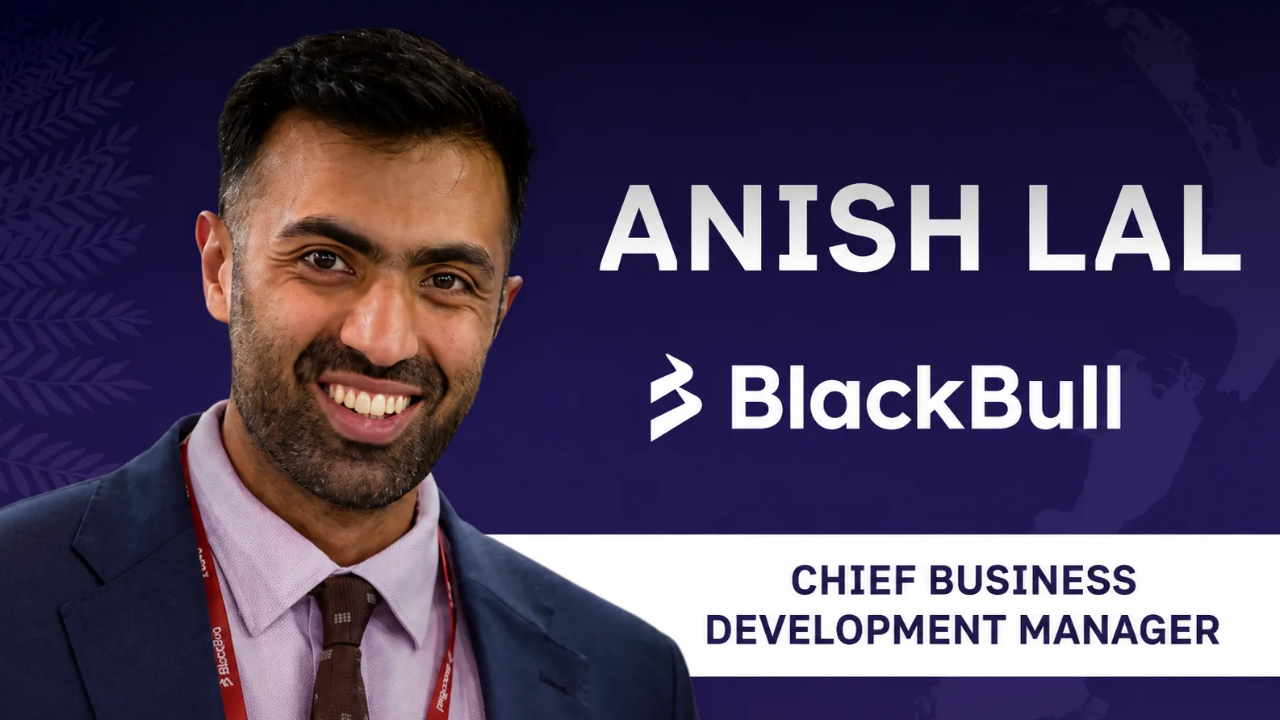
The global trading industry continues to evolve rapidly as technology, client expectations, regulation and competition reshape the way brokers build and grow their businesses. In this environment, business development is about much more than generating new leads. It requires a deep understanding of traders, markets, partnerships and the infrastructure that supports a modern brokerage.
Anish Lal’s experience with BlackBull provides an interesting perspective on the commercial side of the trading industry and the role business development plays in connecting a brokerage with clients, partners and new markets. His work has been associated with the growth of client portfolios and business relationships across the FX and CFD sector. :contentReference[oaicite:0]{index=0}
For a modern forex brokerage, sustainable growth begins with understanding what traders actually expect from their broker. Traders increasingly look beyond basic market access. They consider the quality of the overall trading environment, the technology available to them, the range of markets they can access, the level of support they receive and the confidence they have in the company behind the platform.
This means that business development teams need to understand both the commercial and practical sides of the trading experience. A relationship may begin through marketing, networking or a partnership, but maintaining that relationship requires the brokerage to consistently deliver value.
Global expansion adds another layer of complexity. Different regions can have very different client expectations, levels of market maturity and approaches to trading. A strategy that performs well in one market cannot always be transferred directly into another. Successful international development therefore requires local understanding combined with a broader global strategy.
Relationships are particularly important in the forex and CFD industry. Brokers operate in a competitive environment where traders and professional partners have many alternatives. Building trust can therefore become a meaningful competitive advantage.
Strong business development is based on understanding the needs of the other party rather than simply promoting a product. Retail traders, professional traders, introducing brokers, affiliates and institutional relationships can all require different forms of support. Recognising these differences allows a brokerage to develop more relevant relationships instead of applying the same approach to every client.
Technology has also changed the role of business development. Modern traders expect efficient digital onboarding, reliable platforms, access to information and a smooth experience across different devices. As financial technology continues to develop, commercial teams increasingly need to understand how technology affects the customer experience.
The connection between technology and business growth is especially important because traders can quickly compare different providers. A brokerage may have strong marketing and an experienced sales team, but the long-term relationship ultimately depends on whether the underlying service meets the expectations created during the acquisition process.
Product development is another important part of this equation. Market participants increasingly expect brokers to respond to changing trading behaviour and provide products that reflect how modern clients interact with financial markets. Anish Lal has previously highlighted the importance of global expertise and knowledge across FX, CFDs and metals when discussing business development within the brokerage industry. :contentReference[oaicite:1]{index=1}
This highlights why commercial growth cannot operate independently from the rest of a brokerage. Business development teams receive direct feedback from traders and partners. That information can provide valuable insight into what clients want, where friction exists and which opportunities may deserve greater attention.
Effective brokerage growth therefore requires cooperation between business development, operations, technology, marketing, compliance and client support. Each department contributes to the experience that ultimately determines whether a client continues using the brokerage.
Client retention is just as important as acquisition. Bringing new traders to a platform can generate initial growth, but sustainable business performance depends on building relationships that last. This requires consistent communication, responsive support and a service that continues to provide value after the initial account opening.
The same principle applies to partnerships. Introducing brokers, affiliates and other professional relationships can become important channels for international expansion, but successful partnerships generally require transparency and long-term alignment. A partnership based only on short-term acquisition may be difficult to sustain.
Education and communication can also strengthen these relationships. Financial markets are complex, and traders vary considerably in their experience. Clear information about products, trading conditions and market risks helps clients make more informed decisions while contributing to a more professional relationship between the broker and the trader.
Competition within online trading makes differentiation increasingly important. Pricing and promotional offers can attract attention, but they are only part of the overall proposition. Traders may also evaluate platform functionality, execution experience, customer service, available instruments and the reputation of the brokerage.
As a result, the strongest commercial proposition is often one in which the different parts of the business work together. Marketing creates awareness, business development establishes relationships, technology delivers access to markets, operations support the client journey and service teams maintain the relationship.
The growth of a brokerage should therefore not be measured only by the number of accounts acquired. The quality of relationships, client activity, retention and the ability to develop sustainable international markets can provide a broader picture of commercial performance.
There is also an important human element behind business development. Technology can automate onboarding, communication and many administrative processes, but relationships still depend heavily on communication, credibility and understanding. This becomes particularly important when working with professional partners or entering new international markets.
Networking, industry events and direct conversations remain valuable because they provide insights that may not appear in analytics alone. Speaking directly with traders and industry professionals can reveal emerging concerns, changing preferences and opportunities for new products or services.
The modern brokerage industry is ultimately a combination of financial markets, technology and relationships. Successful companies need infrastructure capable of supporting traders while also building a commercial organisation that understands how those traders and partners operate.
For business development professionals, this creates a role that extends beyond traditional sales. It involves identifying opportunities, understanding different markets, developing partnerships, communicating client requirements internally and helping the wider organisation adapt to changes in the trading industry.
As competition continues to increase, brokerages that combine strong technology with professional relationships and a clear understanding of their clients may be better positioned to build sustainable growth.
The broader lesson from Anish Lal’s experience in the trading industry is that business development is not simply about expanding quickly. Long-term growth comes from building useful relationships, understanding the market and ensuring that the commercial promise made to clients is supported by the actual trading experience.
For forex and CFD businesses operating internationally, this balance between acquisition, technology, service and relationships will continue to play an important role in determining which companies can turn short-term opportunities into sustainable global businesses.