
Trust in the Trading Industry: Why Transparency Matters More Than Ever

Trust has become one of the most important factors in the trading industry. In a market that moves quickly and often feels complex to many participants, traders are no longer looking only for access, pricing, or platform features. They also want clarity. They want to understand who they are dealing with, how a broker operates, what costs may apply, and whether the overall environment is built on fairness and reliability. This is why transparency matters more than ever. The trading industry has evolved significantly over the years. As competition has increased, so has the amount of information available to traders. Today’s clients are more informed, more selective, and more willing to ask questions before choosing where to trade. They want to know how execution works, how pricing is structured, what level of support they can expect, and whether the company behind the platform communicates openly and responsibly. This shift is positive for the industry because it encourages higher standards and creates stronger long-term relationships between brokers and clients. Transparency helps remove uncertainty. When traders clearly understand the environment they are entering, they are more likely to make informed decisions and more likely to feel confident in the relationship. A broker that communicates clearly about its services, policies, pricing, and processes builds a stronger sense of credibility than one that relies only on marketing claims. In a competitive market, that credibility can become a major point of difference. This is especially important because trust is not built through branding alone. It is built through consistency, communication, and the ability to deliver what is promised. Traders notice when information is presented clearly and when expectations are realistic. They also notice when details are vague or when important information is difficult to find. In many cases, transparency is what turns initial interest into long-term confidence. Transparency also plays an important role in shaping the overall reputation of the trading industry. For many people, trading can still feel intimidating or difficult to understand. When firms communicate openly and operate with greater clarity, they help create a more professional and trustworthy environment for everyone involved. This benefits not only traders but also partners, affiliates, and the broader market, because stronger trust tends to support stronger and more sustainable growth. Technology has also raised expectations around transparency. Modern traders expect clearer reporting, easier access to information, smoother communication, and better visibility into the services they use. As the industry becomes more digital and more competitive, the ability to present information in a simple, honest, and accessible way is becoming increasingly valuable. Transparency is no longer just a compliance requirement or a nice addition. It is a core part of a strong client experience. For brokers and financial service providers, this means transparency should be viewed as a strategic strength rather than an obligation. Firms that are open about their processes, realistic in their messaging, and committed to clarity are more likely to earn trust over time. That trust supports retention, strengthens partnerships, and helps create a more resilient brand in a crowded market. In the future, trust will continue to shape how traders choose who to work with. Pricing, technology, and platform experience will always matter, but confidence in the business behind those services will matter just as much. Transparency is what helps create that confidence. In a market where traders have more options and more awareness than ever before, firms that prioritize openness and clarity will be in a stronger position to build lasting relationships. Trust in the trading industry is not something that can be assumed. It has to be earned. And in today’s environment, transparency remains one of the clearest ways to earn it.
Technology in Forex Brokerage: How It Is Reshaping the Industry
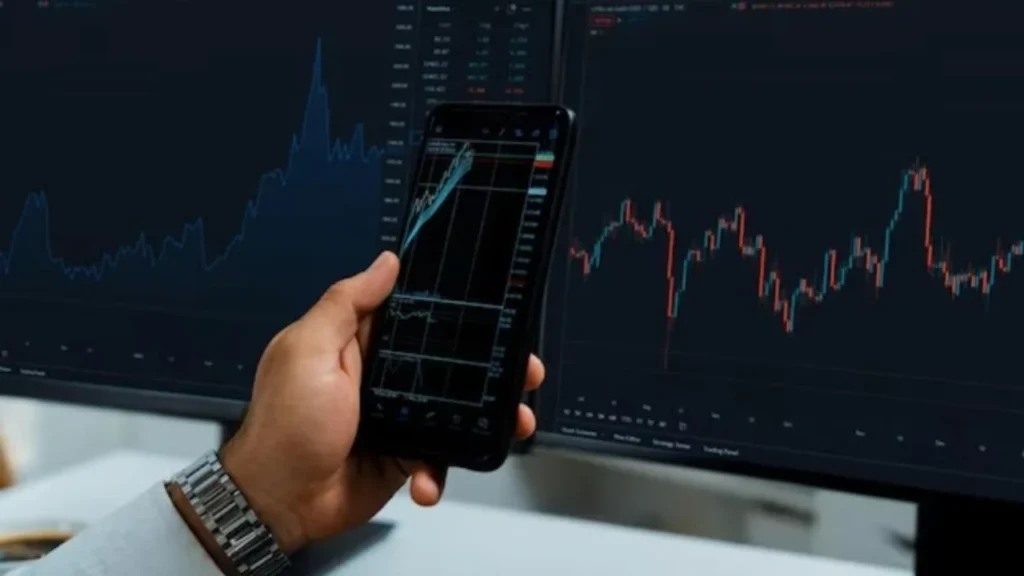
Technology is playing a defining role in the future of forex brokerage. What was once an industry built mainly around access to the markets has evolved into a far more sophisticated environment where speed, efficiency, user experience, and infrastructure all matter. Today, traders expect more than a functional platform. They expect a seamless experience that combines performance, convenience, and reliability. At the same time, brokers are under growing pressure to innovate, improve operations, and meet higher standards across every part of the client journey. This is why technology is now reshaping the forex brokerage industry in a meaningful way. One of the biggest changes technology has brought to forex brokerage is the improvement in trading infrastructure. Modern brokers are investing more in faster systems, better server performance, stronger liquidity connections, and platform stability. This has raised the overall standard of execution and helped create trading environments that are more responsive and efficient. For traders, this means a smoother experience and greater confidence in the broker’s ability to perform under real market conditions. In a fast-moving market, the strength of a broker’s technology can have a direct impact on the quality of the trading experience. Technology is also changing how traders interact with brokers. The client experience is no longer limited to opening an account and accessing a platform. It now includes digital onboarding, faster verification processes, mobile-friendly interfaces, integrated funding options, real-time reporting, and easier access to support. Traders expect convenience at every stage, and brokerages are increasingly using technology to make the process more efficient and user-focused. A modern forex brokerage is not only judged by the platform it offers, but by the overall simplicity and quality of the experience surrounding it. Another important shift is the growing role of platform integrations and advanced trading tools. Traders are looking for more flexibility in how they analyze markets and manage their trading activity. Better charting, improved analytics, multi-platform access, and connected tools are becoming more important across the industry. This reflects a broader change in expectations. Traders want technology that supports better decision-making, easier access to information, and a more complete trading environment. As a result, brokers that invest in these areas are in a stronger position to attract and retain clients. Technology is also reshaping how brokers manage internal operations and partnerships. From reporting systems and CRM tools to affiliate tracking and partner support, digital infrastructure has become essential for growth. Stronger systems allow brokerages to operate more efficiently, communicate more clearly, and support clients and partners more effectively. In a competitive market, operational technology is just as important as trading technology because it helps improve consistency, transparency, and service quality across the business. The rise of mobile usage has added another layer to this transformation. Modern traders expect to monitor markets, manage positions, and stay connected from anywhere. This has made mobile optimization a major priority for the industry. Brokers can no longer treat mobile access as a secondary feature. It has become a central part of the trading experience. A brokerage that cannot deliver speed, usability, and reliability across devices risks falling behind in a market where convenience matters more than ever. At the same time, technology is helping raise the standard for transparency and communication. Better reporting tools, improved dashboards, clearer account visibility, and more accessible market information all contribute to a stronger client experience. Traders increasingly want to understand more about the services they use, and technology makes it easier for brokers to present information in a clearer and more useful way. This not only improves usability but also supports trust, which remains one of the most important factors in long-term client relationships. Looking ahead, technology will continue to shape the direction of forex brokerage. The firms that succeed will be those that invest not only in speed and innovation, but also in practical improvements that make the trading experience easier, stronger, and more reliable. Traders are becoming more selective, and the brokerages that stand out will be those that combine advanced systems with simplicity, consistency, and a clear focus on client needs. Technology in forex brokerage is no longer just about staying current. It is about creating better trading environments, better services, and stronger long-term relationships. As the industry continues to evolve, technology will remain one of the most important forces driving its transformation.
Partnerships in Financial Services: What Makes Them Strong and Sustainable

Strong partnerships have always played an important role in financial services, but in today’s market, they matter more than ever. As the industry becomes more competitive, more connected, and more technology-driven, successful growth is rarely built in isolation. Whether the relationship is between a broker and a platform provider, a financial brand and an affiliate partner, or a business and its strategic counterpart, the strength of that partnership often depends on more than commercial opportunity alone. Long-term success comes from trust, alignment, consistency, and shared value. One of the most important foundations of a strong partnership in financial services is clarity. Both sides need a clear understanding of expectations, responsibilities, goals, and standards. When communication is open from the beginning, partnerships tend to operate more smoothly and create better outcomes over time. This is especially important in financial services, where reputation, compliance, and client trust carry significant weight. A partnership may begin with commercial potential, but it becomes sustainable only when both sides know how to work together effectively. Trust is another essential factor. In financial services, trust is not built through promises alone. It is built through reliability, professionalism, transparency, and consistent delivery. Partners want to know that the business they are aligned with will communicate clearly, operate responsibly, and protect the integrity of the relationship. This matters because every partnership reflects on both sides. A strong relationship enhances credibility, while a weak one can create risk for brand reputation and long-term growth. Sustainable partnerships are also built on mutual benefit. The strongest relationships are those where both parties see long-term value, not just short-term gain. This could mean access to new markets, stronger distribution, better client experiences, improved technology, or more effective commercial growth. When both sides benefit in a meaningful and balanced way, the relationship becomes more stable and more resilient over time. Partnerships that are too one-sided often struggle to maintain momentum. Technology has also changed what strong partnerships look like in financial services. Today, efficiency, data visibility, reporting, integration, and speed of communication all play a larger role than they did in the past. Businesses want partnerships that are not only strategically aligned but also operationally effective. Better systems and smoother collaboration can strengthen the relationship and help both sides perform more effectively in a demanding market. Another key ingredient is adaptability. Financial services is an industry shaped by market change, regulation, client expectations, and innovation. Strong partnerships are those that can evolve with these changes rather than remain fixed in one model. When both sides are willing to improve, communicate, and adjust where needed, the partnership is more likely to remain valuable over the long term. Flexibility, when combined with clear standards, creates durability. Ultimately, strong and sustainable partnerships in financial services are built on more than commercial agreements. They are built on trust, shared objectives, clear communication, mutual value, and the ability to grow together over time. In a sector where credibility and consistency matter, the best partnerships are those that strengthen not only business performance but also long-term reputation. As financial services continues to evolve, partnerships will remain a major driver of growth and opportunity. The businesses that succeed will be those that treat partnerships not as transactions, but as long-term relationships built with purpose, professionalism, and a shared commitment to quality.
Canadian traders can’t seem to catch a break.
Canadian traders can’t seem to catch a break, let alone stay away from trade spats with the US. According to known statistics, Canada is the world’s most educated country and they deserve a Broker of stature to cater to their complex strategies, no matter how looney. In fact, our very own Alec Walker (a Brooklyn native) adores our Canadian clients, regardless of his political support for you know who… (uh hum!) BlackBull Markets is one of the few Brokers with their doors open to the Maple provinces and have built a pretty compelling offering to make their journeys worthwhile. Not forgetting our impressive 24-6 support service, traders can use Canadian dollar based Currency accounts for MT4 with an option to deposit funds into our CAD client accounts, avoiding unnecessary conversion fees and we like to stay bullish the looney! The BlackBull Markets payment portal is also configured to take Canadian Credit Cards, again another rarity in the industry. Whether you are an experienced trader or a newbie looking to get your feet wet, we have Accounts and the resources to support your trading ambitions. Feel free to contact our Live Support team for any pressing questions, using the button in the bottom LH corner or for any questions, please email us on support@blackbullmarkets.com and we look forward to hearing from you. Trade safer, Anish Lal Head of FX & Metals www.blackbullmarkets.com
My Coinbase Account just went to 0!!!
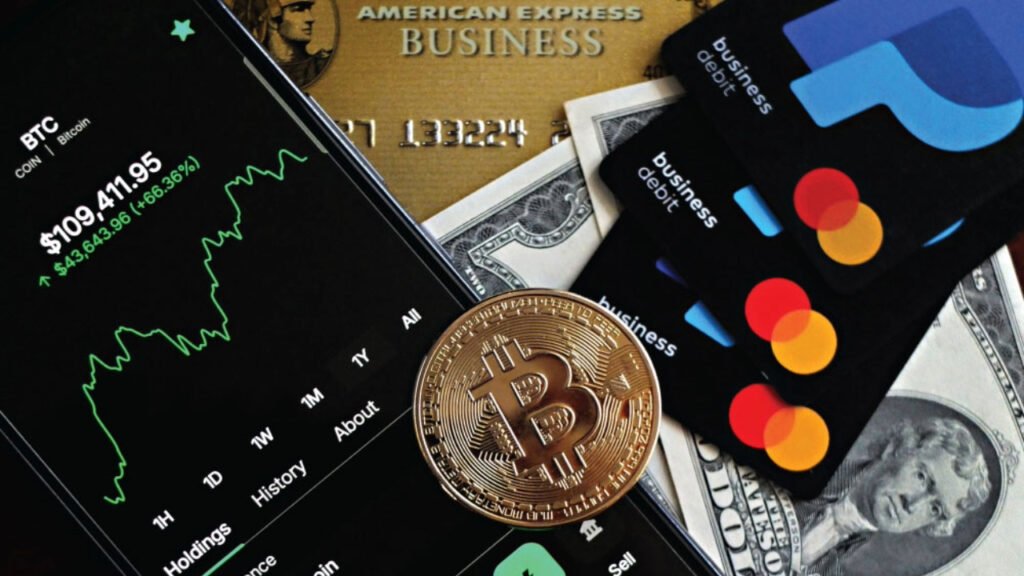
Credit : Matt Levine, Bloomberg The crypto. A growing number of Coinbase customers are complaining that the cryptocurrency exchange withdrew unauthorized money out of their accounts. In some cases, this drained their linked bank accounts below zero, resulting in overdraft charges. … Coinbase declined to comment on how many users are affected, what the underlying cause of the problem is, and whether it will refund overdraft charges resulting from its duplicate transactions. “We’re aware of the issue and will be posting updates via Reddit, Twitter and our company blog,” a spokesperson said in an email. “We’ll be reaching out to affected users to solve the issue as required, as well as posting updates via social channels.” You know what I say around here: The eventual fate of all Bitcoin exchanges is to lose their customers’ Bitcoins. But Coinbase is different. It is not a grubby dangerous Bitcoin bazaar but a clean well-lit modern Bitcoin supermarket, “the layman’s introduction to the volatile world of cryptocurrencies” with easy bank-account linkages, thorough compliance programs and a New York Bitcoin license. And so instead of losing your Bitcoins, it loses money directly from your traditional regulated bank account! It’s … kind of the worst of all worlds? Elsewhere Atari crypto blockchain blah blah blah, you know the drill: The company says it is investing in a “crypto platform” that will use its own digital currency, the “Atari Token.” It can be used to – you guessed it – play video games. They should hire the “Pocketful of Quarters” kid, he is way better at naming cryptocurrencies than they are. “Atari Token,” come on.
Efficient markets in India?
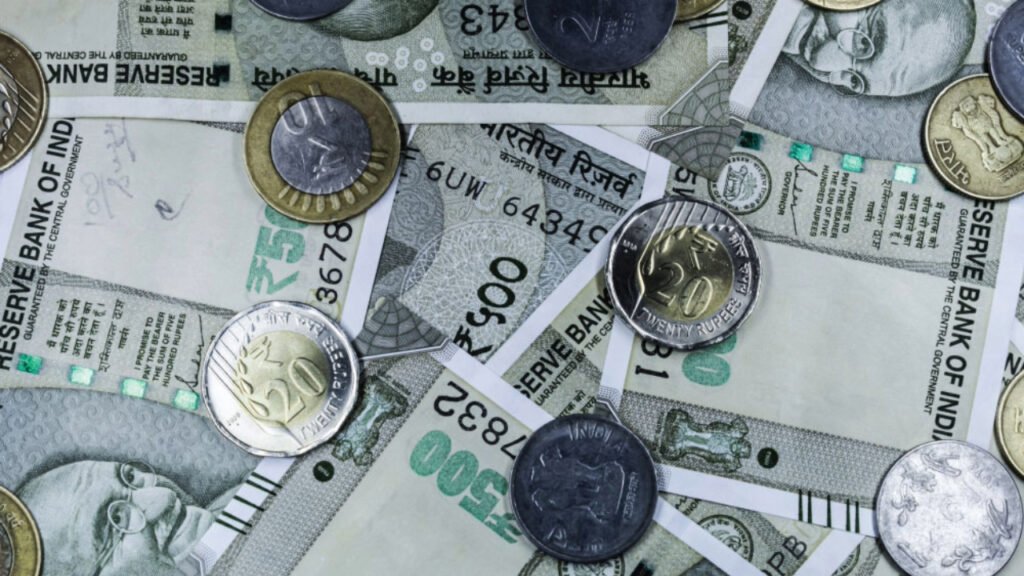
Credit : Matt Levine, Bloomberg Punjab National Bank, a state-controlled bank in India, “said on Wednesday that it had detected fraudulent transactions worth $1.77 billion at just one of its branches.” (“The Bank has detected some fraudulent and unauthorised transactions (messages) in one of its branch in Mumbai for the benefit of a few select account holders with their apparent connivance,” says the bank’s statement. “Based on these transactions other banks appear to have advanced money to these customers abroad.”) Of course the stock sold off: “Shares of Punjab National Bank closed 10 percent lower on Wednesday on the news of the fraudulent transactions,” and it was down another 12 percent on Thursday. But the fraud represented almost a third of the bank’s market capitalization. Which is more than 10 percent. A $1.77 billion fraud caused only about a $600 million drop in market value the day it was disclosed (and another $664 million the following day). “Most of the fraud was already priced in,” joked Kostya Medvedovsky on Twitter: “The efficient market hypothesis wins again.” Or half-joked I guess. One possibility here is that the $1.77 billion fraud won’t cost the bank $1.77 billion. (“In the Bank these transactions are contingent in nature and liability arising out of these on the Bank shall be decided based on the law and genuineness of underlying transactions,” says the bank’s statement, and it doesn’t appear that it advanced them the money.) But the other possibility is, sure, why not, some of the fraud was already priced in. As of the end of 2017, according to Bloomberg data, Punjab National Bank had assets of about 7.7 trillion rupees, liabilities of about 7.2 trillion rupees, and about 490 billion rupees ($7.7 billion) of shareholders’ equity. It traded at a market capitalization of about 416 billion rupees ($6.5 billion), or about an 85 percent price-to-book ratio. Lazily looking at those numbers, you might note that $7.7 billion (the book equity at the end of 2017) minus $1.8 billion (the amount of the fraud) equals $5.9 billion, and that $6.5 billion (the market cap at the end of 2017) minus $600 million (the first-day market-cap loss on announcement of the fraud) also equals $5.9 billion. It’s almost like the market knew that the bank’s equity was overstated by about $1.2 billion, and when the bank announced that it had been defrauded by $1.8 billion, the market said “oh that is a little more than we thought” and adjusted accordingly. This is a little fanciful but also … probably … correct? There is a lot of precedent for banks’ stocks trading below book value, especially in places and times when people distrust banks. It is a little hard to know what to make of that, but one obvious interpretation is that shareholders don’t believe that the banks’ assets are worth what the banks say they are. We talked the other day about bank opacity, about how not even bank executives seem to understand what is going on inside their banks. If that is the case then it shouldn’t be surprising if sometimes the market thinks the bank is worth less than the bank thinks it’s worth, or if the market turns out to be right. It’s not literally that the market knew about the $1.77 billion fraud before the bank did. It’s just that the whole enterprise is kind of a random-number generator, and the market did a better job of guessing the right random number than the accountants did.
Were you worried about 50 cent?
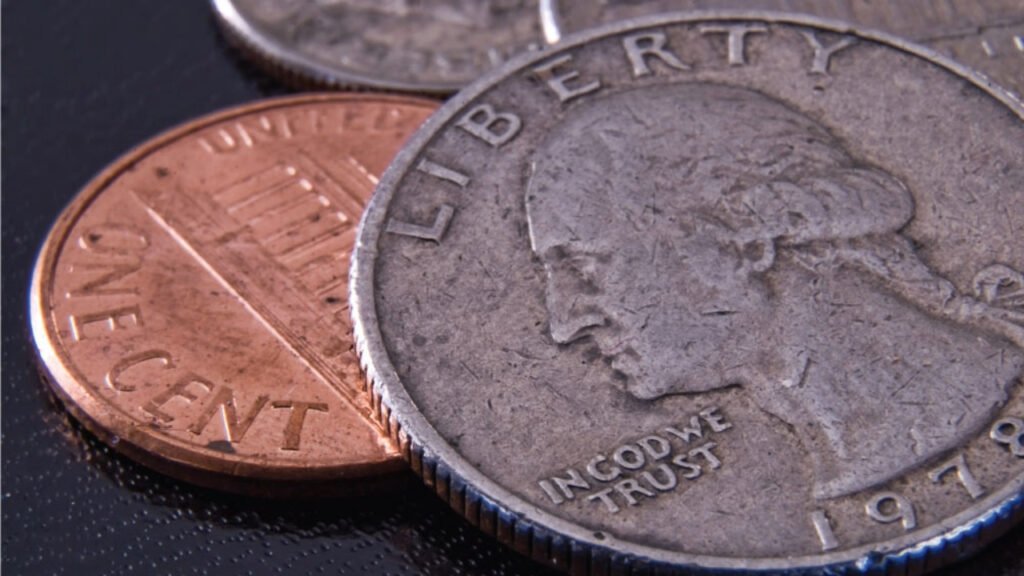
Credit : Matt Levine, Bloomberg An annoyingly pervasive story over the past year or so of low volatility has been that someone has been buying a lot of out-of-the-money call options on the CBOE Volatility Index that would pay off if the VIX spiked. This someone would usually buy the calls that traded at a price of around 50 cents, leading to the buyer being nicknamed “50 Cent,” and many rap lyrics were awkwardly repurposed to discuss these VIX option trades. The story was always the same though: Vol was low, the options didn’t pay off, and Mr. Cent seems to have been down about $200 million since 2017. Well now he gon’ … party … like … it’s … his … I will stop, I am sorry, but here: But as volatility rose last week, and stock markets fell, the strategy paid off. According to Pravit Chintawongvanich, head of derivatives strategy at Macro Risk Advisors, 50 cent held a net profit of $200m on the trade as of February 9. “That means they’ve made about $400 million mark-to-market this month,” said Mr Chintawongvanich.
I can say almost with certainty that they will come to a bad end
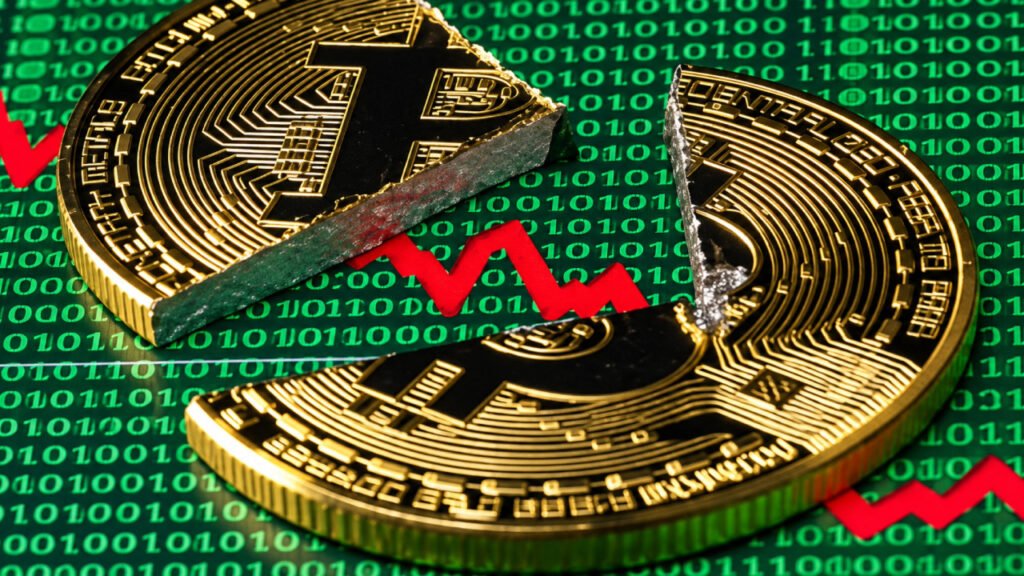
“I can say almost with certainty that they will come to a bad end” now infamous words from Warren Buffett yesterday have been almost timed to perfection with news from South Korea overnight that they are planning a bill to ban Cryptocurrency trading. The speculative hype is nearing an inevitable demise. Who really thought that the Central Banks would not intervene? A huge statement from one of the world’s largest hub for trading virtual currencies. The appetite for Cryptocurrencies is primarily fuelled by demand for tax evasion and unavoidably exchanges are left exposes to being reprimanded. This is exactly what happened in South Korea with the largest exchanges raided by tax agencies, perhaps setting an early precedent for other authorities. This crackdown has clearly calmed frenzied demand for cryptocurrency trading.
New Beginnings

At 26,000 square miles the UAE is smaller than Ireland and has experienced unprecedented growth in the 20th century. Today’s UAE is rich with culture, prosperity and architecture that embraces the golden white sands and blue seas. However, one must not forget the vision of the Sheikhdoms to walk on water and build an eternal wealth for not only Emirate citizens but for all mankind to share.
Is 2017 the year of the Gold shelter?
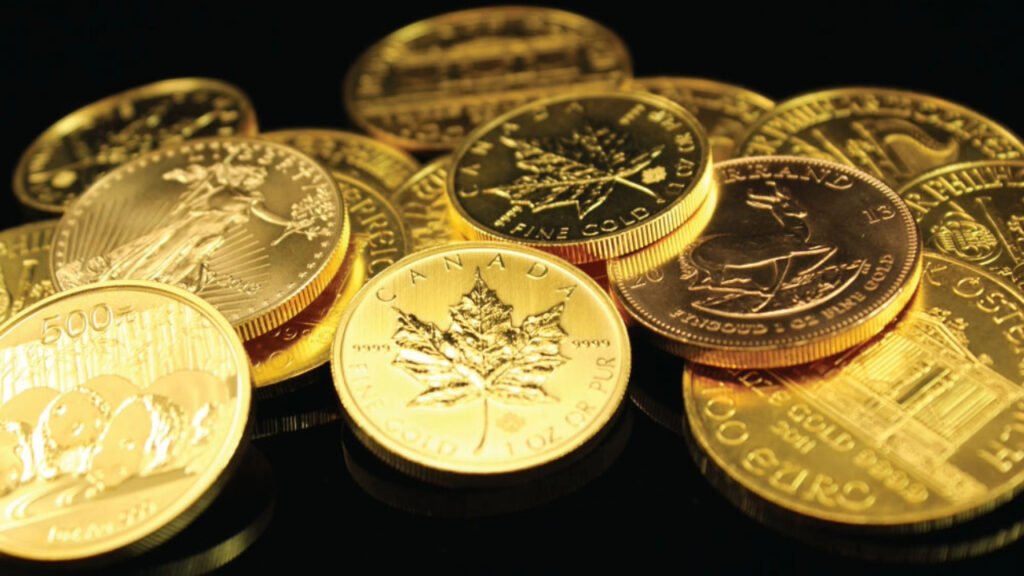
2017 the year of the Gold shelter? The year has already been trending with Politicians aiming to bash Central Banks and as this critique grows, investors could be looking to seek haven in Gold, especially a reasoning behind the spur above $1,200 per oz yesterday. Could this year be the turning point of the bear? Investors are banking on the demand for Gold rising as political intervention could cause central banks to miss growth targets. Jim Rickards, author of the famous Currency Wars remains even more bullish on Gold as he expects a 10%+ rise in the first quarter of 2017. For those who lose faith in central banks, gold may be the last holdout. It retains its appeal as an asset that once underwrote the monetary system and it can’t be created at will like currencies and bonds, said Matthew Turner, a Macquarie Group Ltd. economist. Gold used to be the centre of the global financial system, for that reason it has a reputation as a currency, however people are confused as to how Trump’s policies will actually impact the Precious metal markets. Since his election, money managers have been pulling money out of SPDR Gold Shares, the world’s largest gold-backed exchange-traded fund, as they seek bigger returns in stocks. At the same time, retail investors have been flooding into the iShares Gold Trust. Gold has risen 6.7 percent since hitting a 10-month low on Dec. 15 and was at $1,197.67 an ounce Friday. The trend for Gold buying looks pretty safe for the long-term.