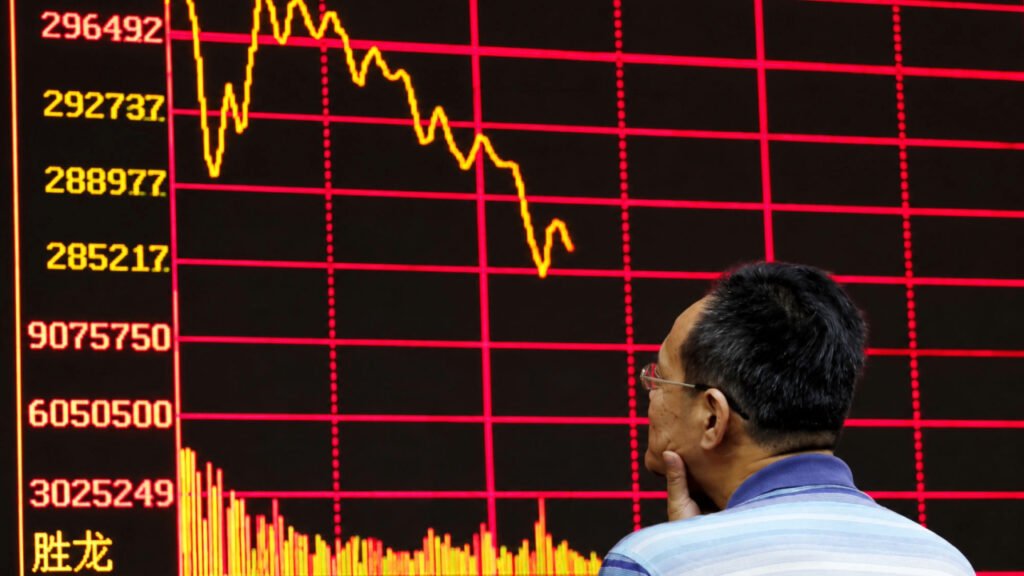
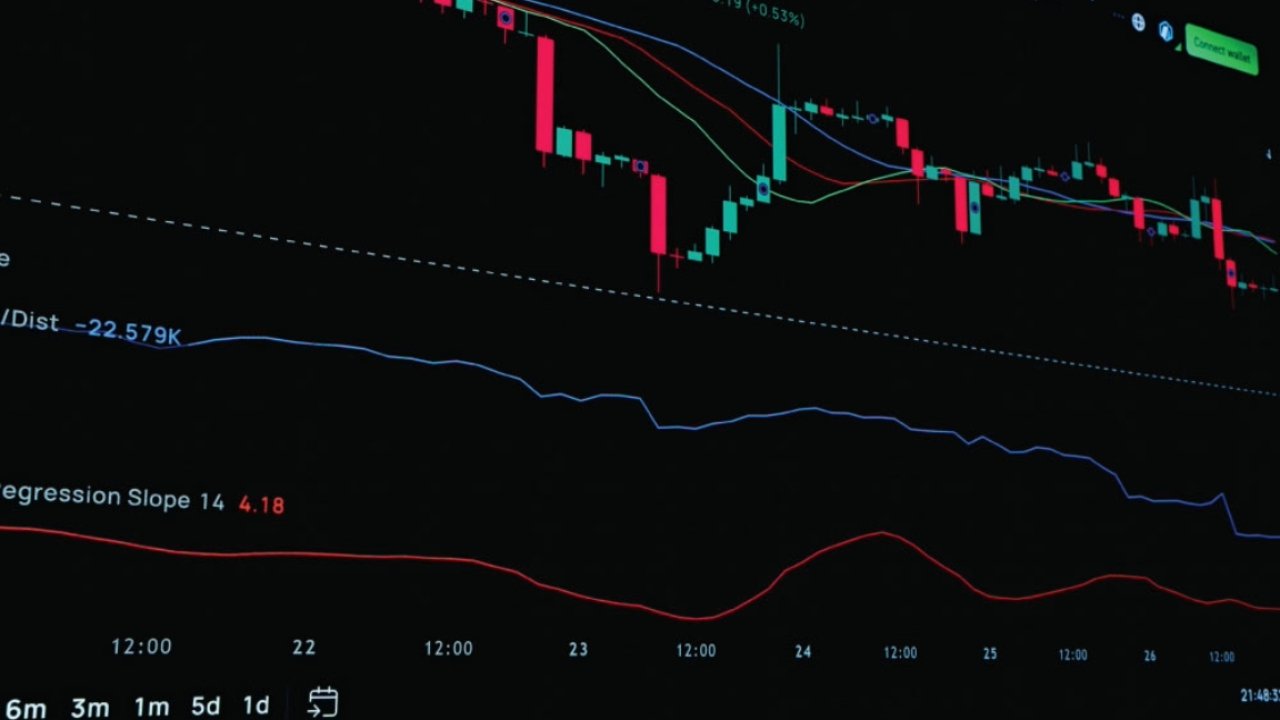
As we sit in April 2026, Brent crude is hovering near $100–$110/bbl thanks to Middle East tensions, Strait of Hormuz disruptions, and production shut-ins. But the longer-term story? Most analysts are calling for a return to oversupply later this year, with 2026 averages projected anywhere from the mid-$50s to low-$80s depending on how quickly geopolitics cools off.

Supply is expected to comfortably outpace demand in the back half of the year as non-OPEC+ production (especially US shale, though slowing) and potential OPEC+ quota increases flood the market. Demand growth is modest at best — some forecasts even see slight contraction amid economic uncertainty.
Physical Delivery: When “Futures” Stops Being a Metaphor
I recently saw a viral photo (okay, I may have enhanced it) of a beautiful suburban mansion and several hundred oil barrels taking over the front lawn like an uninvited HOA violation.
This isn’t just meme material. It’s a cautionary tale. Interactive Brokers (and most retail brokers) are very clear: They do not want you taking physical delivery. Their policies explicitly state they generally don’t allow clients to make or take delivery on physical commodity futures like crude oil. You must close out or roll positions before the close-out deadlines, or they’ll liquidate you to avoid the headache.
Why? Because nobody wants a retail trader waking up to a tanker truck dumping WTI in their driveway. “Sorry sir, the contract said ‘physical settlement’ — enjoy your new black gold landscaping!”
In a world of paper trading, algorithms, and ETFs, the occasional reminder that oil futures can actually result in real barrels arriving at your door is both hilarious and terrifying.
Who else has a “favorite” physical delivery horror story (real or imagined)? Or are we all just happily trading /CL and praying the broker saves us from ourselves?