
How to Master the Perfect FX Strategy: Anish Lal at Forex Expo Dubai
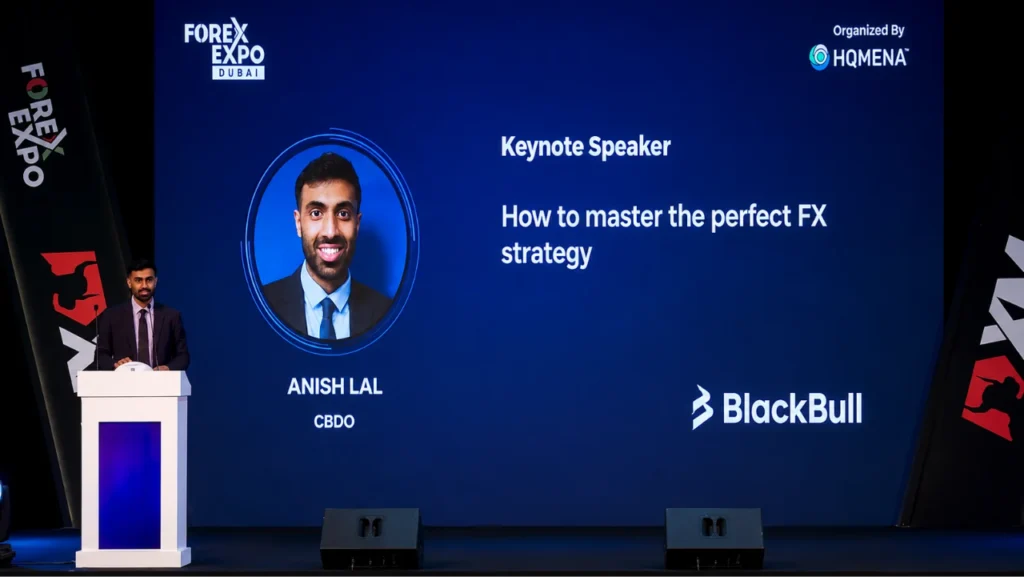
The MoneyHub Wealth Summit 2026 brought together investors, business owners, financial professionals and industry leaders in Queenstown, New Zealand, for three days of discussion around investing, wealth creation, property, financial markets and the future of business. Held from 18 to 20 June 2026, the summit was designed to give attendees practical perspectives on how wealth is being built, managed and invested in a changing economic environment. Rather than focusing on a single asset class, the programme explored a broad range of opportunities and challenges facing investors. One of the important themes of the summit was investing beyond traditional property. Property has historically played a major role in wealth creation for New Zealand investors, but today’s financial landscape provides access to a much wider range of markets, instruments and investment strategies. Global financial markets have become increasingly accessible to individual investors. Technology has made it possible for people to follow international markets, research investment opportunities and access financial products from almost anywhere. This increased accessibility has created significant opportunities, but it has also made financial education, risk awareness and disciplined decision-making more important. The MoneyHub Wealth Summit provided a setting where experienced professionals from different parts of the financial industry could discuss these issues directly with investors and business owners. The investing-focused programme included perspectives from professionals representing trading platforms, managed investments and global brokerage services. This created an opportunity to examine investing from several different angles rather than presenting one approach as suitable for everyone. Anish Lal, Chief Business Development Officer at BlackBull Markets, participated in the summit’s Investing Beyond Property programme. His involvement brought a global brokerage perspective to the discussion, particularly relevant to investors interested in financial markets, trading and access to international investment opportunities. The role of a modern brokerage has changed considerably as financial technology has developed. Brokers are no longer simply providing a mechanism for placing trades. Traders increasingly evaluate the complete environment surrounding their market access. Technology, available instruments, execution, platform functionality, research capabilities, customer service and the overall reliability of the trading environment can all influence the experience. For investors exploring international markets, understanding this infrastructure is important. Access to more markets does not automatically produce better investment outcomes. Investors still need to understand what they are investing in, why they are taking a particular position and how much risk they are prepared to accept. This distinction between access and decision-making is particularly important in modern markets. Technology can make entering a position extremely easy, but it cannot replace investment discipline. Whether someone is investing for long-term wealth creation or participating more actively in financial markets, a structured approach remains essential. Market volatility is another important consideration. Financial markets can move rapidly in response to economic data, central bank decisions, geopolitical developments, corporate results and changes in investor sentiment. These movements can create opportunities, but they can also expose investors to significant risk. Successful participation therefore requires an understanding that potential return and potential risk are connected. This is particularly relevant in leveraged markets, where price movements can have a larger impact on an investor’s capital. Risk management should consequently be treated as a fundamental part of the investment process rather than something considered only after a position has been opened. Position size, diversification, investment horizon and overall portfolio exposure are all important considerations. Another major theme surrounding modern wealth creation is diversification. Investors increasingly have access to equities, foreign exchange, commodities, indices, funds and other financial instruments across international markets. Having access to different asset classes can provide additional opportunities, but diversification should still be based on a clear understanding of the investor’s objectives and risk tolerance. Simply holding more investments does not necessarily create a stronger portfolio. The relationship between short-term trading and long-term investing is also worth understanding. Both approaches involve financial markets, but their objectives, time horizons and risk-management requirements can be very different. A long-term investor may focus on fundamentals, diversification and compounding over many years. An active trader may pay greater attention to shorter-term price movements, market structure, volatility and specific entry and exit decisions. Neither approach eliminates risk. What matters is whether the strategy is appropriate for the individual’s financial objectives, knowledge and circumstances. Events such as the MoneyHub Wealth Summit are valuable because they allow these different perspectives to exist within the same conversation. Investors can hear from professionals with different areas of expertise and compare those perspectives against their own financial goals. The summit also highlighted the growing importance of financial education. Modern investors have access to an extraordinary amount of information, but more information does not always lead to better decisions. Financial news, social media, market commentary and online communities can expose investors to new ideas almost continuously. The challenge is determining which information is relevant and how it should influence an investment decision. Independent thinking therefore remains an important skill. Investors need to distinguish between understanding an opportunity and simply following market excitement. Periods of strong performance can attract significant attention to particular markets or assets, while periods of volatility can produce fear and emotional decision-making. A disciplined investment process helps reduce the influence of both extremes. The same principle applies to trading. Successful trading is rarely about predicting every market movement correctly. It is more often about developing a repeatable process, managing risk and maintaining discipline across a large number of decisions. Losses are an unavoidable part of financial markets. The objective is not to create a strategy where losses never occur, but to ensure that individual losses do not undermine the overall investment or trading approach. This is one reason professional market participants often focus heavily on risk before considering potential return. The future of investing is also closely connected to technology. Trading platforms, mobile applications, financial data and digital onboarding have significantly changed how individuals interact with markets. Investors can now monitor international markets and manage portfolios using technology that would once have been available primarily to professional market participants. This democratisation of market access is significant. However,
MoneyHub Wealth Summit 2026: Investing, Trading and the Future of Wealth in New Zealand

The MoneyHub Wealth Summit 2026 brought together investors, business owners, financial professionals and industry leaders in Queenstown, New Zealand, for three days of discussion around investing, wealth creation, property, financial markets and the future of business. Held from 18 to 20 June 2026, the summit was designed to give attendees practical perspectives on how wealth is being built, managed and invested in a changing economic environment. Rather than focusing on a single asset class, the programme explored a broad range of opportunities and challenges facing investors. One of the important themes of the summit was investing beyond traditional property. Property has historically played a major role in wealth creation for New Zealand investors, but today’s financial landscape provides access to a much wider range of markets, instruments and investment strategies. Global financial markets have become increasingly accessible to individual investors. Technology has made it possible for people to follow international markets, research investment opportunities and access financial products from almost anywhere. This increased accessibility has created significant opportunities, but it has also made financial education, risk awareness and disciplined decision-making more important. The MoneyHub Wealth Summit provided a setting where experienced professionals from different parts of the financial industry could discuss these issues directly with investors and business owners. The investing-focused programme included perspectives from professionals representing trading platforms, managed investments and global brokerage services. This created an opportunity to examine investing from several different angles rather than presenting one approach as suitable for everyone. Anish Lal, Chief Business Development Officer at BlackBull Markets, participated in the summit’s Investing Beyond Property programme. His involvement brought a global brokerage perspective to the discussion, particularly relevant to investors interested in financial markets, trading and access to international investment opportunities. The role of a modern brokerage has changed considerably as financial technology has developed. Brokers are no longer simply providing a mechanism for placing trades. Traders increasingly evaluate the complete environment surrounding their market access. Technology, available instruments, execution, platform functionality, research capabilities, customer service and the overall reliability of the trading environment can all influence the experience. For investors exploring international markets, understanding this infrastructure is important. Access to more markets does not automatically produce better investment outcomes. Investors still need to understand what they are investing in, why they are taking a particular position and how much risk they are prepared to accept. This distinction between access and decision-making is particularly important in modern markets. Technology can make entering a position extremely easy, but it cannot replace investment discipline. Whether someone is investing for long-term wealth creation or participating more actively in financial markets, a structured approach remains essential. Market volatility is another important consideration. Financial markets can move rapidly in response to economic data, central bank decisions, geopolitical developments, corporate results and changes in investor sentiment. These movements can create opportunities, but they can also expose investors to significant risk. Successful participation therefore requires an understanding that potential return and potential risk are connected. This is particularly relevant in leveraged markets, where price movements can have a larger impact on an investor’s capital. Risk management should consequently be treated as a fundamental part of the investment process rather than something considered only after a position has been opened. Position size, diversification, investment horizon and overall portfolio exposure are all important considerations. Another major theme surrounding modern wealth creation is diversification. Investors increasingly have access to equities, foreign exchange, commodities, indices, funds and other financial instruments across international markets. Having access to different asset classes can provide additional opportunities, but diversification should still be based on a clear understanding of the investor’s objectives and risk tolerance. Simply holding more investments does not necessarily create a stronger portfolio. The relationship between short-term trading and long-term investing is also worth understanding. Both approaches involve financial markets, but their objectives, time horizons and risk-management requirements can be very different. A long-term investor may focus on fundamentals, diversification and compounding over many years. An active trader may pay greater attention to shorter-term price movements, market structure, volatility and specific entry and exit decisions. Neither approach eliminates risk. What matters is whether the strategy is appropriate for the individual’s financial objectives, knowledge and circumstances. Events such as the MoneyHub Wealth Summit are valuable because they allow these different perspectives to exist within the same conversation. Investors can hear from professionals with different areas of expertise and compare those perspectives against their own financial goals. The summit also highlighted the growing importance of financial education. Modern investors have access to an extraordinary amount of information, but more information does not always lead to better decisions. Financial news, social media, market commentary and online communities can expose investors to new ideas almost continuously. The challenge is determining which information is relevant and how it should influence an investment decision. Independent thinking therefore remains an important skill. Investors need to distinguish between understanding an opportunity and simply following market excitement. Periods of strong performance can attract significant attention to particular markets or assets, while periods of volatility can produce fear and emotional decision-making. A disciplined investment process helps reduce the influence of both extremes. The same principle applies to trading. Successful trading is rarely about predicting every market movement correctly. It is more often about developing a repeatable process, managing risk and maintaining discipline across a large number of decisions. Losses are an unavoidable part of financial markets. The objective is not to create a strategy where losses never occur, but to ensure that individual losses do not undermine the overall investment or trading approach. This is one reason professional market participants often focus heavily on risk before considering potential return. The future of investing is also closely connected to technology. Trading platforms, mobile applications, financial data and digital onboarding have significantly changed how individuals interact with markets. Investors can now monitor international markets and manage portfolios using technology that would once have been available primarily to professional market participants. This democratisation of market access is significant. However,
Anish Lal on Business Development and Growth in the Global Trading Industry
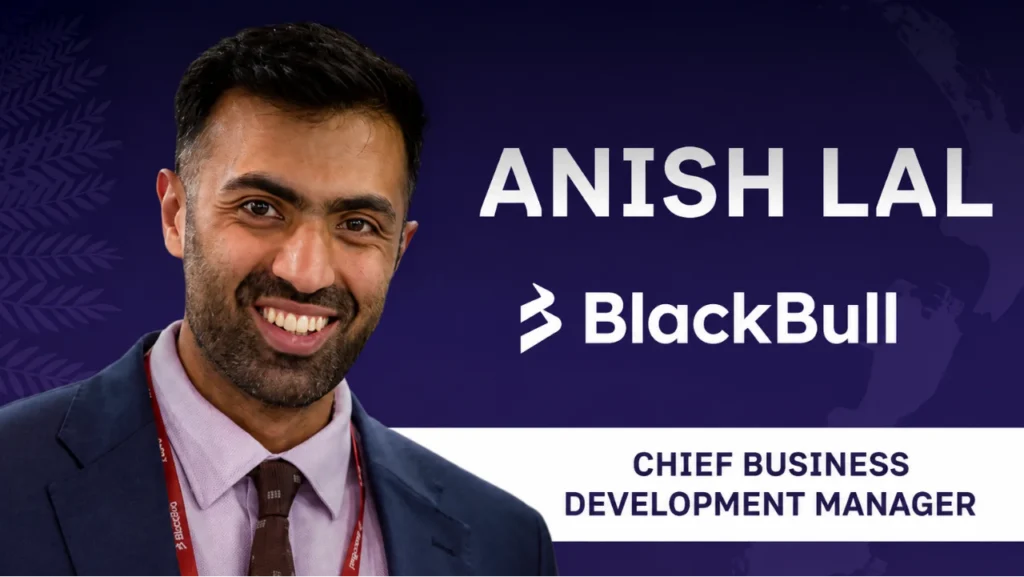
The global trading industry continues to evolve rapidly as technology, client expectations, regulation and competition reshape the way brokers build and grow their businesses. In this environment, business development is about much more than generating new leads. It requires a deep understanding of traders, markets, partnerships and the infrastructure that supports a modern brokerage. Anish Lal’s experience with BlackBull provides an interesting perspective on the commercial side of the trading industry and the role business development plays in connecting a brokerage with clients, partners and new markets. His work has been associated with the growth of client portfolios and business relationships across the FX and CFD sector. :contentReference[oaicite:0]{index=0} For a modern forex brokerage, sustainable growth begins with understanding what traders actually expect from their broker. Traders increasingly look beyond basic market access. They consider the quality of the overall trading environment, the technology available to them, the range of markets they can access, the level of support they receive and the confidence they have in the company behind the platform. This means that business development teams need to understand both the commercial and practical sides of the trading experience. A relationship may begin through marketing, networking or a partnership, but maintaining that relationship requires the brokerage to consistently deliver value. Global expansion adds another layer of complexity. Different regions can have very different client expectations, levels of market maturity and approaches to trading. A strategy that performs well in one market cannot always be transferred directly into another. Successful international development therefore requires local understanding combined with a broader global strategy. Relationships are particularly important in the forex and CFD industry. Brokers operate in a competitive environment where traders and professional partners have many alternatives. Building trust can therefore become a meaningful competitive advantage. Strong business development is based on understanding the needs of the other party rather than simply promoting a product. Retail traders, professional traders, introducing brokers, affiliates and institutional relationships can all require different forms of support. Recognising these differences allows a brokerage to develop more relevant relationships instead of applying the same approach to every client. Technology has also changed the role of business development. Modern traders expect efficient digital onboarding, reliable platforms, access to information and a smooth experience across different devices. As financial technology continues to develop, commercial teams increasingly need to understand how technology affects the customer experience. The connection between technology and business growth is especially important because traders can quickly compare different providers. A brokerage may have strong marketing and an experienced sales team, but the long-term relationship ultimately depends on whether the underlying service meets the expectations created during the acquisition process. Product development is another important part of this equation. Market participants increasingly expect brokers to respond to changing trading behaviour and provide products that reflect how modern clients interact with financial markets. Anish Lal has previously highlighted the importance of global expertise and knowledge across FX, CFDs and metals when discussing business development within the brokerage industry. :contentReference[oaicite:1]{index=1} This highlights why commercial growth cannot operate independently from the rest of a brokerage. Business development teams receive direct feedback from traders and partners. That information can provide valuable insight into what clients want, where friction exists and which opportunities may deserve greater attention. Effective brokerage growth therefore requires cooperation between business development, operations, technology, marketing, compliance and client support. Each department contributes to the experience that ultimately determines whether a client continues using the brokerage. Client retention is just as important as acquisition. Bringing new traders to a platform can generate initial growth, but sustainable business performance depends on building relationships that last. This requires consistent communication, responsive support and a service that continues to provide value after the initial account opening. The same principle applies to partnerships. Introducing brokers, affiliates and other professional relationships can become important channels for international expansion, but successful partnerships generally require transparency and long-term alignment. A partnership based only on short-term acquisition may be difficult to sustain. Education and communication can also strengthen these relationships. Financial markets are complex, and traders vary considerably in their experience. Clear information about products, trading conditions and market risks helps clients make more informed decisions while contributing to a more professional relationship between the broker and the trader. Competition within online trading makes differentiation increasingly important. Pricing and promotional offers can attract attention, but they are only part of the overall proposition. Traders may also evaluate platform functionality, execution experience, customer service, available instruments and the reputation of the brokerage. As a result, the strongest commercial proposition is often one in which the different parts of the business work together. Marketing creates awareness, business development establishes relationships, technology delivers access to markets, operations support the client journey and service teams maintain the relationship. The growth of a brokerage should therefore not be measured only by the number of accounts acquired. The quality of relationships, client activity, retention and the ability to develop sustainable international markets can provide a broader picture of commercial performance. There is also an important human element behind business development. Technology can automate onboarding, communication and many administrative processes, but relationships still depend heavily on communication, credibility and understanding. This becomes particularly important when working with professional partners or entering new international markets. Networking, industry events and direct conversations remain valuable because they provide insights that may not appear in analytics alone. Speaking directly with traders and industry professionals can reveal emerging concerns, changing preferences and opportunities for new products or services. The modern brokerage industry is ultimately a combination of financial markets, technology and relationships. Successful companies need infrastructure capable of supporting traders while also building a commercial organisation that understands how those traders and partners operate. For business development professionals, this creates a role that extends beyond traditional sales. It involves identifying opportunities, understanding different markets, developing partnerships, communicating client requirements internally and helping the wider organisation adapt to changes in the trading industry. As competition continues to increase, brokerages that
The Makings of a Perfect Trader: Discipline, Risk and Consistency

Successful trading is not simply about finding the perfect entry or predicting every market movement correctly. The qualities that separate consistent traders from the rest are often found in their approach to risk, discipline, patience and decision-making. A strong trader understands that opportunities will always exist, but capital must first be protected. Instead of reacting emotionally to every market movement, experienced traders develop a structured process that helps them evaluate opportunities objectively and make decisions based on logic rather than fear or excitement. Risk management plays a major role in this process. Even a well-researched trade can move in the wrong direction, which is why professional traders think carefully about position sizing, potential losses and overall exposure before entering the market. The objective is not to eliminate risk completely, but to manage it intelligently. Patience is equally important. Markets can encourage traders to act quickly, particularly during periods of volatility, but being active does not necessarily mean being productive. Sometimes the strongest decision is to wait until the market presents an opportunity that fits the trader’s strategy. Consistency also comes from understanding that individual trades should not define overall performance. Losses are part of trading, just as profitable trades are. What matters is whether decisions are being made according to a repeatable process that can remain effective over a longer period. Developing as a trader therefore requires more than technical knowledge. It requires emotional control, realistic expectations, disciplined risk management and the ability to remain focused when market conditions become challenging. The pursuit of the “perfect trade” is ultimately less about finding a flawless market setup and more about developing the habits, mindset and decision-making process required to approach opportunities professionally and consistently.
Has Silver Demand Died?

Silver prices have pulled back sharply from their 2026 peak near $122/oz (reached in late January), as shown in the attached daily chart. The chart captures a classic parabolic rally through late 2025 into early 2026, followed by a steep decline with multiple red candles, testing horizontal support levels around $65–70 before the latest leg down. As of late June 2026, silver trades near $64.80–65.05/oz, down significantly from its all-time high. What Drove the Massive Run-Up? Silver’s surge was fueled by a potent mix of: Explosive industrial demand – especially solar PV (photovoltaics), EVs, electronics, and AI/data centers. Industrial use accounts for ~60% of total silver demand, with solar alone consuming hundreds of millions of ounces annually. Investment buying amid macroeconomic uncertainty, debt concerns, and gold’s parallel rally. Structural deficits – the silver market has seen multi-year shortfalls as mine supply (often a copper/zinc byproduct) lags behind consumption. This pushed prices dramatically higher throughout 2025 and into early 2026. Why the Sharp Reversal and Path Toward $56? Recent price action reflects shifting demand dynamics and macro headwinds: India’s Import Restrictions (Major Demand Shock)India, the world’s largest silver consumer (importing ~18–20% of global supply in recent years), imposed heavy curbs in mid-May 2026. High-purity silver bars moved to the “restricted” category (requiring licenses), duties rose sharply (to ~15%), and imports plummeted ~87% in May. While domestic premiums may rise, global demand has softened as India’s buying slows. This removes a key bid from the market. Stronger US Dollar & Hawkish FedRising interest-rate expectations, a stronger dollar, and profit-taking after the parabolic move have weighed heavily on non-yielding assets like silver. Thrifting, Substitution & Demand ModerationHigh prices accelerate efficiency gains (e.g., less silver paste per solar cell) and substitution in some applications. Some forecasts note potential deficit shrinkage in 2026 if industrial offtake cools. Technical Outlook from the Chart: The price has broken below key moving averages and horizontal supports visible in the image (around the $70 green line area). A sustained move below current levels could target the next major support zone near $56–58, aligning with prior consolidation areas and Fibonacci retracement levels from the broader uptrend. RSI is not deeply oversold, leaving room for further downside momentum in the near term. Bullish Counterpoints (Why Not a Straight Crash?) Long-term fundamentals remain strong: green energy transition (solar + EVs), AI infrastructure, and persistent deficits should support prices over years. Any easing of India restrictions, dollar weakness, or renewed investment flows could spark sharp rebounds. Many analysts still see higher averages for 2026 overall, though near-term volatility is elevated. Bottom Line Silver’s run to $65+ (from much lower levels) was impressive but possibly overextended. India’s policy shift has altered demand dynamics in the short-to-medium term, opening the door for a deeper correction toward the $56 zone – a level that would represent a healthy (if painful) reset. Traders should watch US dollar strength, Fed signals, and any updates from Indian authorities. Long-term bulls see this as a buying opportunity in an industrial metal critical to the future, while near-term bears have the momentum. Always manage risk — silver remains highly volatile. If you’re interested in XAG/USD or our new Silver Gram instruments (GAG/USD), I’d love to hear from you. Reach out if you’re thinking about hedging strategies or just want to chat markets – my email is a.lal@blackbull.com. From the desk of AL Trading involves risk and may not be suitable for all investors. The information provided in this article is for educational purposes only and does not constitute financial advice. Always conduct thorough research and seek professional advice before making any investment decisions.
BlackBull Markets is heading to NZCryptoCon 2026!

BlackBull Markets is heading to NZCryptoCon 2026! I’m excited to share that BlackBull will be at New Zealand’s very first major crypto event NZCryptoCon 2026, taking place from 5th to 7th June at the Auckland ICC. This is our first time at the event, and we can’t wait to meet the Kiwi crypto community in person! Come find us at Booth 101, where we’ll be showcasing: Our powerful Crypto CFDs — tight spreads, deep liquidity, 30+ top coinsOur brand-new Perpetual Futures with up to 100x leverage Whether you’re a serious trader or just getting into crypto, we’re bringing the professional tools you’ve been looking for. Special for NZCryptoCon:Use code Blackbull for 10% off all tickets https://lnkd.in/ekXihuBh Drop a comment if you’re attending, or message me if you want to catch up at the booth. Looking forward to some great conversations!See you 5–7 June at Auckland ICC – Booth 101 https://anish.trade/wp-content/uploads/2026/05/WhatsApp-Video-2026-05-13-at-9.14.45-AM.mp4
Why the Kiwi is Under Pressure and What It Means for New Zealand

The AUD/NZD cross has been one of the standout performers in the G10 FX space in 2026, recently hitting multi-year highs near 1.2210–1.2213 in early May. This marks a roughly 13% gain over the past year and levels not seen consistently since around 2013. The driver? Clear monetary policy divergence between the Reserve Bank of Australia (RBA) and the Reserve Bank of New Zealand (RBNZ), compounded by differing economic resilience and investor preferences for the Aussie. Policy Divergence: RBA Hawkish, RBNZ Cautious The RBA has hiked its cash rate to 4.10% (with hikes in early 2026, including a narrow 5-4 vote in March), responding to persistent inflation pressures, tighter labor markets, and upside risks from global factors. Markets have priced in potential further tightening, with the next meeting on May 5, 2026, seeing expectations around additional hikes. In contrast, the RBNZ has held the Official Cash Rate (OCR) steady at 2.25% (latest decision April 8, 2026), emphasizing a data-dependent but generally accommodative stance amid economic recovery challenges, despite some near-term inflation bumps from external shocks. The policy gap, approaching or exceeding 1.85 percentage points in recent contexts, which heavily favors the AUD in the carry trade and broader positioning. This divergence has widened meaningfully, with investors favoring the higher-yielding, resource-backed Aussie amid stronger Australian growth prospects (projected around 2.1–2.3% in coming periods) versus more modest NZ figures. Medium- to Long-Term Chart Analysis On the daily and weekly charts, AUD/NZD maybe exhibits a strong bullish structure: It has broken out of multi-year ranges and is consolidating near historic highs above 1.20. Technicals show strong buy signals from moving averages, with support around 1.215–1.218 (recent pivot lows and ascending triangle bases). Resistance sits near 1.2210–1.2300 initially, with longer-term eyes on 1.25–1.30+ if divergence persists, per some analyst projections into 2026–2027. Rate expectations reinforce this: Forecasts suggest Australia’s rates could remain elevated relative to NZ’s gradual normalisation path (potentially not aggressive hikes until late 2026 or beyond). Bond yield gaps and carry advantages support AUD strength. Risks include global risk-off moves or commodity volatility (Australia benefits from iron ore/ resources; NZ from dairy), but the bias remains upward for the cross medium-term. Pullbacks to 1.19–1.20 could be buying opportunities on the trend. Impacts on New Zealand’s Economy A weaker NZD (stronger AUD/NZD means fewer NZD per AUD) has clear sectoral effects: Exports: A softer Kiwi boosts competitiveness. NZ exporters (dairy, meat, tourism services, etc.) earn more in local currency terms when selling to Australia or markets where pricing competes with AUD. This helps offset some domestic weaknesses but can mask underlying productivity or volume issues. Trade: Australia is a major partner under CER. Cheaper NZ goods/services for Aussies could support bilateral trade volumes, while NZ imports from Australia (machinery, vehicles, etc.) become more expensive, potentially adding to imported inflation. Overall, net trade balance may improve modestly for NZ on the export side. Tourism: This is a tale of two sides. Aussies get cheaper holidays “across the ditch” (boosting inbound NZ tourism), but Kiwis face higher costs traveling to Australia, causing a dampening outbound spending. With fuel and airfares also elevated, this exacerbates the pain for Kiwi travelers. Migration and Broader Pressures: Record numbers of Kiwis are heading to Australia (net loss hitting 12-year highs), drawn by higher wages, opportunities, and now amplified by the currency gap making remittances or savings stretch further in NZ terms. This doesn’t help NZ’s labor shortages or growth outlook, creating a potential brain/skill drain that compounds economic challenges. Outlook and Trading Considerations (BlackBull Perspective) The AUD/NZD story is a textbook policy-divergence play. While short-term volatility from data releases (e.g., CPI, employment) or global events can cause swings, the medium- to long-term setup potentially favors AUD strength as long as the RBA stays firmer for longer. Traders should watch RBA’s May decision closely for confirmation of further hikes. At BlackBull Markets, we see opportunities in this cross for both directional trades and carry strategies, but always with robust risk management given the commodity and geopolitical sensitivities. NZ’s challenges with a weak currency add urgency for structural reforms, while Australia rides relatively stronger fundamentals. If you’re exposed to this pair, I’d love to hear from you. Reach out if you’re thinking about hedging strategies or just want to chat markets – my email is a.lal@blackbull.com. Stay sharp out there, From the desk of AL Trading involves risk and may not be suitable for all investors. The information provided in this article is for educational purposes only and does not constitute financial advice. Always conduct thorough research and seek professional advice before making any investment decisions.
Brazil Just Banned Prediction Markets. The Rest of the World Is Watching.

On April 24, 2026, Brazil’s government dropped a bombshell: it blocked access to 28 prediction market platforms, including heavyweights like Polymarket and Kalshi, labeling them as illegal betting operations. Finance Minister Dario Durigan and officials made it crystal clear during a press conference that these platforms breach the country’s regulated betting framework and expose citizens to unnecessary financial risks. The National Monetary Council’s Resolution No. 5,298 explicitly prohibits derivative contracts tied to sports events, elections, politics, entertainment, or any non-financial “real or virtual events.” Telecom regulator Anatel acted swiftly, using the same blocking tools deployed against unlicensed gambling sites. The resolution takes full effect on May 4, 2026. Why This Matters for Operators Worldwide Prediction markets have exploded in popularity, blending finance, information aggregation, and yes, elements that regulators increasingly view as high-risk betting. Brazil’s move isn’t isolated; it’s part of a broader global push to classify event-based contracts as gambling when they fall outside strict financial derivatives rules. For operators, especially those in high-risk or gray-area verticals, this is a stark reminder: Regulatory arbitrage has limits. One major market can shut the door overnight. Compliance isn’t optional. Platforms must align with local licensing, or risk domain blocks, fines, and reputational damage. Domino effect potential. What starts in Latin America’s largest economy can influence regulators in Europe, Asia, and beyond, who are already scrutinising similar products. Prediction Markets, Payments, and the Legal Minefield Operators Cannot Afford to Ignore Prediction markets thrive on liquidity, speed, and user access — but they sit at the dangerous intersection of derivatives, gambling, and fintech. Regulators worldwide are tightening screws: Distinguishing between legitimate hedging/information markets and disguised fixed-odds betting. Payment processors are facing increased scrutiny for facilitating these flows. KYC/AML obligations are colliding with the pseudonymous appeal that draws many users. Ignoring these nuances isn’t just risky; it’s existential. A single cease-and-desist or network-level block can evaporate user bases and revenue streams. High-risk operators know this terrain well: adapt fast or watch margins evaporate. Actionable Takeaways for the Industry Diversify jurisdictions proactively — Don’t put all eggs in one basket. Build compliance-first infrastructure — From product design to payment rails. Engage regulators early — Where possible, shape the conversation before bans hit. Monitor global signals — Brazil today could be your market tomorrow. The prediction market boom continues in permissive environments, but the Brazil crackdown proves regulators are paying close attention. For operators in payments, betting, and fintech — stay vigilant, stay compliant, and stay ahead of the curve. The game is evolving. Complacency is not an option. Anish from BlackBull here — navigating these shifts with operators who refuse to be caught off guard. What are your thoughts on Brazil’s ban? Will it slow innovation or push the industry toward better-regulated models? Drop your comments below. Let’s discuss.
2026 Oil Market Dynamics: From Geopolitical Spikes to Physical Delivery Nightmares
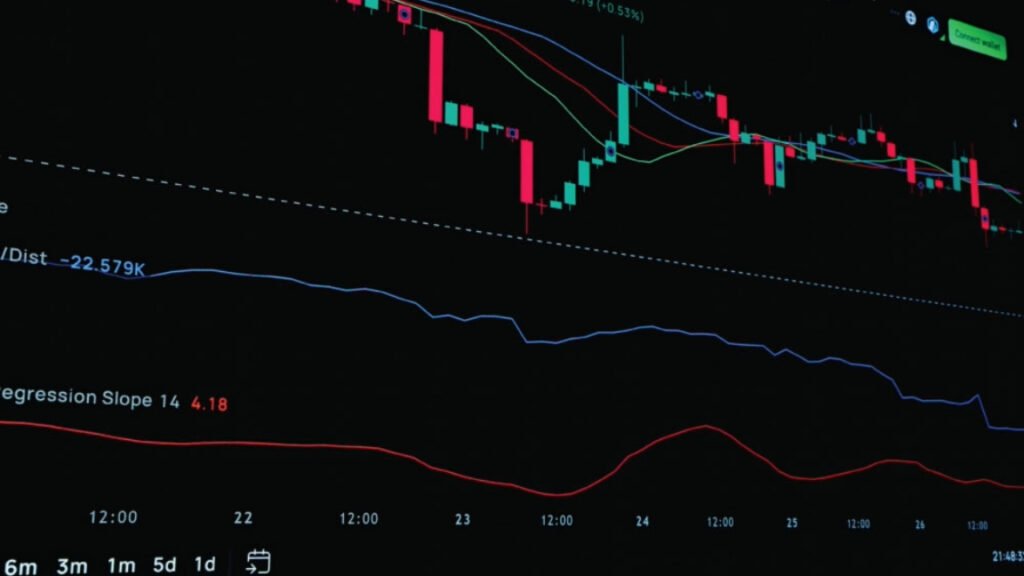
As we sit in April 2026, Brent crude is hovering near $100–$110/bbl thanks to Middle East tensions, Strait of Hormuz disruptions, and production shut-ins. But the longer-term story? Most analysts are calling for a return to oversupply later this year, with 2026 averages projected anywhere from the mid-$50s to low-$80s depending on how quickly geopolitics cools off. Supply is expected to comfortably outpace demand in the back half of the year as non-OPEC+ production (especially US shale, though slowing) and potential OPEC+ quota increases flood the market. Demand growth is modest at best — some forecasts even see slight contraction amid economic uncertainty. Physical Delivery: When “Futures” Stops Being a Metaphor I recently saw a viral photo (okay, I may have enhanced it) of a beautiful suburban mansion and several hundred oil barrels taking over the front lawn like an uninvited HOA violation. This isn’t just meme material. It’s a cautionary tale. Interactive Brokers (and most retail brokers) are very clear: They do not want you taking physical delivery. Their policies explicitly state they generally don’t allow clients to make or take delivery on physical commodity futures like crude oil. You must close out or roll positions before the close-out deadlines, or they’ll liquidate you to avoid the headache. Why? Because nobody wants a retail trader waking up to a tanker truck dumping WTI in their driveway. “Sorry sir, the contract said ‘physical settlement’ — enjoy your new black gold landscaping!” In a world of paper trading, algorithms, and ETFs, the occasional reminder that oil futures can actually result in real barrels arriving at your door is both hilarious and terrifying. Who else has a “favorite” physical delivery horror story (real or imagined)? Or are we all just happily trading /CL and praying the broker saves us from ourselves?
The Evolution of Sports Sponsorships in FX: From Football Fields to Cricket Pitches and Tennis Courts – And Why It’s Mostly About Branding

I get pitched sponsorship opportunities almost weekly. The latest wave? Formula 1 deals, with minimum asks starting around $2 million USD for meaningful visibility. It’s a familiar conversation in our industry: sports sponsorships have become a go-to marketing play for forex and CFD brokers. But let’s take a step back. How did we get here, and is the spend actually delivering the returns everyone hopes for? A Brief History: How FX Brokers Discovered Sports The trend kicked off around 2010 when FxPro made waves by sponsoring Premier League clubs like Fulham and Aston Villa, as well as early involvement with Virgin Racing in Formula 1. It was a smart move at the time. Retail forex trading was exploding, and brokers needed a way to reach a young, male, globally dispersed audience that loved speed, competition, and performance, qualities that mirror trading itself. Football quickly became the dominant arena. Brokers like Plus500 (Atlético Madrid), eToro (multiple clubs across Europe), Libertex (Bayern Munich), and others poured millions into shirt sponsorships, stadium branding, and official partnerships. At one point, football accounted for the majority of online trading sponsorship spend, with brokers chasing the massive global TV audiences and passionate fanbases. The strategy soon diversified: Cricket gained traction in key growth markets like India, Australia, and emerging regions. Brokers targeted regional teams or players to tap into cricket’s dedicated following where football isn’t king. Tennis offered a more premium, individual-athlete angle — global reach with opportunities for targeted territorial deals around major tournaments or players. Other sports followed: rugby, golf, basketball (e.g., Plus500 with Chicago Bulls), and of course, a renewed interest in Formula 1 as the sport’s popularity surged with new audiences and digital platforms. Today, brokers spread bets across football, motorsport, and niche/local sports to avoid clutter and align with specific regional priorities. The industry has collectively invested hundreds of millions into these deals over the past 15+ years. The ROI Reality: Strong Branding, Challenging Direct Returns Here’s the honest conversation many in the sector have privately: measuring precise ROI on sports sponsorships is tough, and for many brokers, the primary value is branding and credibility rather than immediate client acquisition or trackable conversions. Sports partnerships deliver clear benefits: Massive brand exposure through TV broadcasts, stadium signage, digital content, and fan engagement. Association with success, precision, and performance — values that resonate with traders who see parallels between elite athletes/teams and disciplined market analysis. Trust and legitimacy boost. In a competitive, sometimes skeptical industry, appearing alongside respected clubs or events signals stability and professionalism. However, turning that visibility into measurable account openings or trading volume often proves elusive. Many brokers struggle to attribute direct revenue to these spends. Media value calculations help, but lead generation, conversion tracking, and long-term client lifetime value are harder to pin down. The clutter in popular spaces like the Premier League means diminishing marginal returns for some. It’s why smarter players now mix high-profile deals with targeted, regional, or lower-cost partnerships. In short: it’s often more art than science — a long-term play for brand equity rather than a short-term acquisition channel. Our Approach at BlackBull Markets: Auckland FC as a Case Study At BlackBull Markets, we believe sponsorships should align authentically with our brand and deliver more than just logos on shirts. That’s why we’re proud to be the Official Trading Partner of Auckland FC in New Zealand’s A-League. As a premium sponsor, this partnership brings our brand into the heart of our home market while showcasing our commitment to supporting local excellence. The benefits we see go beyond exposure: It builds trust and credibility with both existing and potential clients who appreciate a broker that’s embedded in the community. It puts real eyes on the brand in a meaningful way — through matchdays, fan content, and regional storytelling. It creates genuine engagement opportunities that feel less like advertising and more like shared values. We’re selective. Not every big-ticket opportunity fits, even when the glamour (hello, F1) is tempting. The key is alignment: does this partnership reinforce what BlackBull stands for — reliable execution, innovation in trading, and long-term client success? Final Thoughts: Sponsorships as Part of a Balanced Strategy Sports sponsorships remain a powerful tool for FX brokers, especially as traditional digital advertising faces rising costs and regulatory scrutiny. But they work best when viewed as a branding investment within a broader, multi-channel marketing mix — complemented by performance marketing, content, education, and strong product fundamentals.If you’re on the brand or sponsorship side and considering a deal, ask the hard questions upfront: What does success look like beyond impressions? How will we measure and activate the partnership? And does it truly fit our audience and values? I’d love to hear from fellow professionals in trading, sports marketing, or sponsorships. Have you seen strong ROI from sports deals, or do you view them primarily as brand builders? What’s the smartest sponsorship strategy you’ve observed in fintech or finance lately? Drop your thoughts in the comments — let’s discuss.