
The Evolution of Sports Sponsorships in FX: From Football Fields to Cricket Pitches and Tennis Courts – And Why It’s Mostly About Branding

I get pitched sponsorship opportunities almost weekly. The latest wave? Formula 1 deals, with minimum asks starting around $2 million USD for meaningful visibility. It’s a familiar conversation in our industry: sports sponsorships have become a go-to marketing play for forex and CFD brokers. But let’s take a step back. How did we get here, and is the spend actually delivering the returns everyone hopes for? A Brief History: How FX Brokers Discovered Sports The trend kicked off around 2010 when FxPro made waves by sponsoring Premier League clubs like Fulham and Aston Villa, as well as early involvement with Virgin Racing in Formula 1. It was a smart move at the time. Retail forex trading was exploding, and brokers needed a way to reach a young, male, globally dispersed audience that loved speed, competition, and performance, qualities that mirror trading itself. Football quickly became the dominant arena. Brokers like Plus500 (Atlético Madrid), eToro (multiple clubs across Europe), Libertex (Bayern Munich), and others poured millions into shirt sponsorships, stadium branding, and official partnerships. At one point, football accounted for the majority of online trading sponsorship spend, with brokers chasing the massive global TV audiences and passionate fanbases. The strategy soon diversified: Cricket gained traction in key growth markets like India, Australia, and emerging regions. Brokers targeted regional teams or players to tap into cricket’s dedicated following where football isn’t king. Tennis offered a more premium, individual-athlete angle — global reach with opportunities for targeted territorial deals around major tournaments or players. Other sports followed: rugby, golf, basketball (e.g., Plus500 with Chicago Bulls), and of course, a renewed interest in Formula 1 as the sport’s popularity surged with new audiences and digital platforms. Today, brokers spread bets across football, motorsport, and niche/local sports to avoid clutter and align with specific regional priorities. The industry has collectively invested hundreds of millions into these deals over the past 15+ years. The ROI Reality: Strong Branding, Challenging Direct Returns Here’s the honest conversation many in the sector have privately: measuring precise ROI on sports sponsorships is tough, and for many brokers, the primary value is branding and credibility rather than immediate client acquisition or trackable conversions. Sports partnerships deliver clear benefits: Massive brand exposure through TV broadcasts, stadium signage, digital content, and fan engagement. Association with success, precision, and performance — values that resonate with traders who see parallels between elite athletes/teams and disciplined market analysis. Trust and legitimacy boost. In a competitive, sometimes skeptical industry, appearing alongside respected clubs or events signals stability and professionalism. However, turning that visibility into measurable account openings or trading volume often proves elusive. Many brokers struggle to attribute direct revenue to these spends. Media value calculations help, but lead generation, conversion tracking, and long-term client lifetime value are harder to pin down. The clutter in popular spaces like the Premier League means diminishing marginal returns for some. It’s why smarter players now mix high-profile deals with targeted, regional, or lower-cost partnerships. In short: it’s often more art than science — a long-term play for brand equity rather than a short-term acquisition channel. Our Approach at BlackBull Markets: Auckland FC as a Case Study At BlackBull Markets, we believe sponsorships should align authentically with our brand and deliver more than just logos on shirts. That’s why we’re proud to be the Official Trading Partner of Auckland FC in New Zealand’s A-League. As a premium sponsor, this partnership brings our brand into the heart of our home market while showcasing our commitment to supporting local excellence. The benefits we see go beyond exposure: It builds trust and credibility with both existing and potential clients who appreciate a broker that’s embedded in the community. It puts real eyes on the brand in a meaningful way — through matchdays, fan content, and regional storytelling. It creates genuine engagement opportunities that feel less like advertising and more like shared values. We’re selective. Not every big-ticket opportunity fits, even when the glamour (hello, F1) is tempting. The key is alignment: does this partnership reinforce what BlackBull stands for — reliable execution, innovation in trading, and long-term client success? Final Thoughts: Sponsorships as Part of a Balanced Strategy Sports sponsorships remain a powerful tool for FX brokers, especially as traditional digital advertising faces rising costs and regulatory scrutiny. But they work best when viewed as a branding investment within a broader, multi-channel marketing mix — complemented by performance marketing, content, education, and strong product fundamentals.If you’re on the brand or sponsorship side and considering a deal, ask the hard questions upfront: What does success look like beyond impressions? How will we measure and activate the partnership? And does it truly fit our audience and values? I’d love to hear from fellow professionals in trading, sports marketing, or sponsorships. Have you seen strong ROI from sports deals, or do you view them primarily as brand builders? What’s the smartest sponsorship strategy you’ve observed in fintech or finance lately? Drop your thoughts in the comments — let’s discuss.
What are Perps? Explained by a 5-year old who likes cars!

🚀 Ever wondered how traders bet on Bitcoin or gold prices going up or down… forever? Let me explain Perpetual Futures (and how everyday brokers make it easy) in simple terms. Imagine you’re 5 years old and you have a magic toy car. You don’t actually own the real car. Instead, you play a game guessing whether its price will go up or down. With perpetual futures (also called “perps”), you can keep playing that game as long as you want, there’s no “game over” date. You put down a little of your own money (margin) to control a much bigger position thanks to leverage. If you guess right, you win money. If you’re wrong, you can lose fast. To keep the game fair and the guessed price close to the real toy car’s price, players sometimes share a tiny bit of “candy” (called the funding rate) every few hours, longs pay shorts or vice versa. It’s exciting… but risky, like racing on roller skates. You can win big or fall hard.How CFD Brokers Offer Something Very Similar. Many traditional CFD brokers don’t use the exact crypto-style perpetual futures with funding rates between traders. Instead, they offer perpetual-style CFDs (Contracts for Difference) that work almost the same way :- No expiration date → hold your position for days, weeks, or months. – You speculate on price moves (up or down) without ever owning the real asset (Bitcoin, forex pairs, gold, stocks, etc.). – Leverage lets you control a large position with small capital. – Instead of a peer-to-peer funding rate, the broker usually charges a small daily overnight/swap fee (like a rental cost for the leverage).You’re essentially playing the guessing game directly with the broker as your counterparty. Popular CFD brokers offering these kinds of never-ending contracts on crypto, forex, and more brokers. Key takeaway: True perpetual futures are usually traded on big crypto exchanges (peer-to-peer with funding rates). CFD versions from brokers are simpler, more accessible in many countries, and mirror the spot price directly with daily fees. Both tools let traders get leveraged exposure without owning the asset and without worrying about contract rollover. ⚠️ Important reminder: These are high-risk instruments. Leverage can amplify losses as well as gains, and you can lose more than your initial deposit. Always trade responsibly, use risk management, and only risk what you can afford to lose. What’s your experience with perpetuals or CFDs? Are you using them for crypto, forex, or something else? Drop a comment below, I’d love to hear!
Empowering the Next Generation of Traders: 2026 Competition Launch Highlights
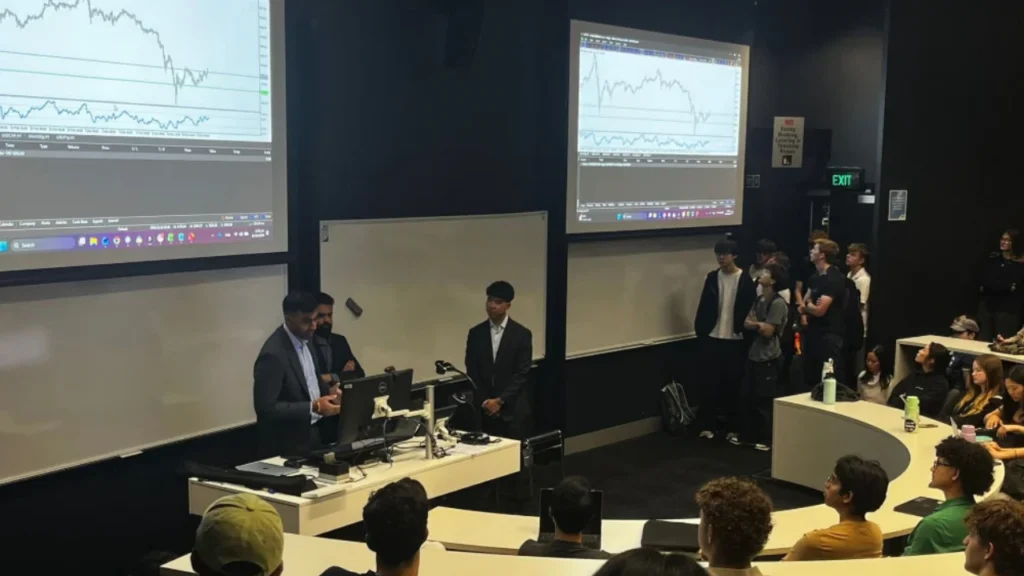
🚀 Excited to share that yesterday we ran an impactful workshop with the University of Auckland Investment Club for over 100 enthusiastic students! We officially launched our 2026 Trading & Investing Competition in partnership with the club — and the response has been incredible: over 300 sign-ups already! 🎉 This is a new record for us. Over the past 6 years of running this competition, we’ve seen a clear trend: students are becoming increasingly active and engaged with trading and investing. These workshops are about more than just charts and strategies. The key takeaways we emphasized were: ✅ Risk Management — Protecting capital is priority number one ✅ Building a solid Trading Plan — Discipline over emotion ✅ Emotion Management — Staying calm during market volatility ✅ Long-term Strategy — Thinking beyond short-term gains for sustainable success. It was fantastic to see so many sharp, motivated young minds in the room, asking great questions and showing real hunger to learn. A huge thank you to the University of Auckland Investment Club for the collaboration and to everyone who attended and signed up. The energy in the room was outstanding! If you’re a University of Auckland student and haven’t signed up yet — there’s still time! The competition is going to be bigger and better than ever in 2026. Who else is excited to see the next generation of investors and traders rising up? 👇
The Future of Forex Brokerage: What Traders and Partners Should Expect

The future of forex brokerage is being shaped by a combination of technology, transparency, regulation, and changing client expectations. What was once a highly competitive industry focused mainly on spreads and platform access has evolved into a much broader and more demanding environment. Today, traders are looking for more than just access to the markets. They expect fast execution, reliable platforms, transparent pricing, strong support, and a broker they can trust over the long term. Partners and affiliates are also becoming more selective, choosing to work with brands that offer professionalism, stability, and long-term growth potential. One of the biggest factors influencing the future of forex brokerage is execution quality. As traders become more informed, they are paying closer attention to the details that affect their overall experience. Execution speed, pricing consistency, liquidity access, and platform performance are no longer secondary considerations. They are central to how traders evaluate a broker. In fast-moving markets, even small differences in execution can make a meaningful impact. This is why modern brokerages are investing more heavily in infrastructure, technology, and trading environments that can deliver speed and stability at scale. Transparency is also becoming a defining feature of the industry. Traders want to understand how brokers operate, how pricing is structured, what execution model is being used, and what level of reliability they can expect. This shift is positive for the market because it encourages better standards and more responsible communication. A transparent forex broker is far more likely to build long-term trust than one relying only on aggressive marketing. As competition continues to increase, trust will become one of the most valuable assets a brokerage can have. Technology will continue to play a major role in shaping the future of forex brokers. Better charting tools, smoother integrations, improved onboarding, mobile-friendly experiences, and smarter reporting are all raising expectations across the industry. Traders now want a seamless experience that combines performance with convenience. At the same time, partners want stronger systems, clearer reporting, and better support to help them scale their efforts effectively. The brokerages that succeed in the years ahead will be those that embrace innovation while keeping the client experience simple, fast, and dependable. Regulation and compliance will remain equally important. As the forex industry continues to mature, brokers will need to balance innovation with responsibility. Traders are paying more attention to security, disclosures, and the credibility of the businesses they engage with. Partners are also looking for brands that can support long-term growth in a responsible and sustainable way. The future of forex brokerage will not be built on visibility alone. It will be built on performance, trust, and operational integrity. For traders, this means expectations will continue to rise. They will increasingly look for brokers that offer a strong mix of execution speed, platform quality, transparency, and service. For partners, it means working with brokerages that value communication, reliability, and long-term relationships rather than short-term wins. In both cases, the market is moving toward higher standards, and that is a healthy sign for the industry as a whole. The future of forex brokerage will belong to firms that can combine technology with trust and growth with consistency. In a market where clients have more information and more options than ever before, the brokers that stand out will be the ones that deliver real value through performance, transparency, and a clear long-term vision.